- FSN Mag
- Family Houseplants
- Why your houseplant leaves turn yellow and what to do
Why your houseplant leaves turn yellow and what to do
Find out why you have yellow leaves on plants and follow simple steps to check your soil, adjust the water and help your indoor greenery thrive again.
Written for you by Forrest Yewell
7 quiet minutes to read
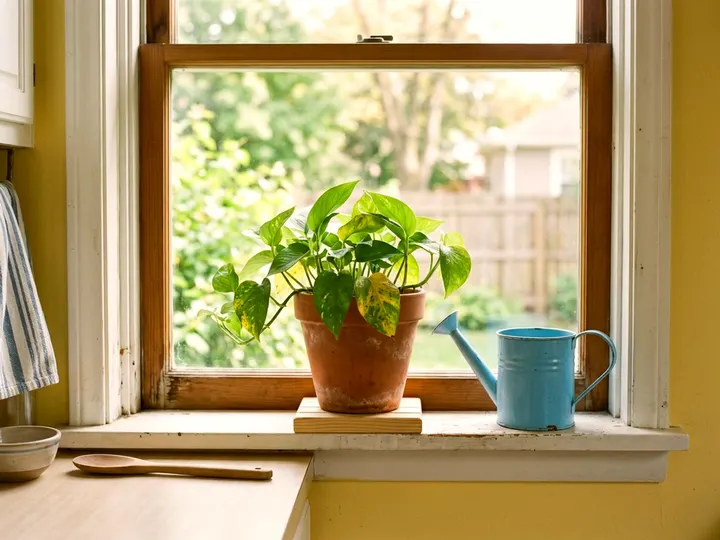
Yellow leaves on plants often mean the roots are getting too much water. Dry soil, bad light, tight roots or tiny bugs can also cause the color change. You can fix the plant by testing the dirt with your finger and adjusting your care routine.
Check the soil before you change anything
Push your index finger into the dirt up to your middle knuckle. This tells you what the roots are doing. The surface always dries out quickly in a warm house. You need to know what happens deeper down.
Pull your finger out and look at the tip. Dark bits of dirt stuck to your skin mean the soil holds moisture. A completely clean finger means the pot is dry all the way through.
Small pots dry out fast. A tiny pot on a sunny windowsill might need water twice a week. A large floor plant can hold moisture for weeks.
Do this test before you move the pot or pour a glass of water over it. Guessing leads to mistakes. A busy week makes you forget the last time you watered the pothos. The soil gives you the real answer.
Feel the weight of the pot. A dry plant feels light and a waterlogged plant feels heavy. Pick up the container and compare it to how it felt a few days ago. This simple lift gives you a second clue about the water inside.
Overwatering and how to dry a plant out
Too much water drowns your plant. The roots need air to breathe, and soil that stays wet for weeks suffocates them. The plant stops taking up nutrients. The bottom leaves turn yellow and drop off.
A soggy plant drops leaves that still feel soft and heavy. The yellow color starts near the base of the stem. The dirt might smell sour.
Stop watering right away. Pull the plastic nursery pot out of any decorative basket or ceramic holder. A solid outer pot traps water at the bottom, so the roots sit in a puddle and rot. Empty standing water out of your saucers because it causes the same problem.
Set the inner pot on a baking sheet. Leave it on the kitchen counter for a few days so the air moving around the plastic helps the dirt dry. Do not put it near a hot vent to speed things up. Fast heat shocks the plant.
Check the drainage holes at the bottom of the pot. Every houseplant needs a way for extra water to escape. A plant in a solid bowl may struggle. You have to repot it into a container with holes.
Sniff the bottom of the pot. A swampy smell means the roots have started to rot, so pull the plant out of the dirt and look at the root system. Brown, mushy roots are dead. Snip them off with clean scissors and leave the firm, white roots alone.
Put the plant back into fresh dirt. A light soil mix drains better than heavy potting dirt. Buy a bag of perlite at the garden center and mix a handful into the dirt to add more air pockets. Give it an afternoon to settle before you water it again.
Underwatering and light problems
A thirsty plant sacrifices old leaves to keep the new growth alive. The soil feels like dust and the pot feels light. The yellow leaves get dry and crispy at the edges.
Water runs straight down the sides of bone-dry dirt. The soil shrinks and pulls away from the plastic pot. A quick pour from a watering can does little. The water escapes out the bottom before the roots can drink.
You need to soak the whole thing. Fill a large mixing bowl with lukewarm water and set the plant inside. Let it sit for an hour. The soil will slowly pull moisture up through the bottom holes.
Take the pot out of the bowl. Put it in the sink to drain. Wait until the dripping stops completely before you put the plant back on its saucer.
Light changes also turn leaves yellow. A plant in a dark corner loses its green color slowly, leaving the whole thing looking pale and tired. You might need to learn about plants for dim rooms. Moving it closer to a window helps.
Direct sun causes a different problem. Afternoon sun bakes the leaves until the yellow spots look bleached or scorched. Move the pot a few feet away from the glass. A sheer curtain softens the light enough to stop the burn.
Drafts cause yellowing too. Cold air from an air conditioner vent can chill tropical plants. A leaky winter window causes the same shock. Move your plants away from cold breezes.
Look at the roots when the pot feels heavy
A plant outgrows its home over time as the roots circle the inside of the plastic. They take up all the space and push the dirt out. The plant starves because there is no soil left to hold food or water. The older leaves turn yellow as the plant struggles.
The container feels tight and hard when you squeeze the sides. Roots poke out of the bottom holes. The water runs straight through every time you try to water it.
Grab the base of the stems. Pull the plant gently up from the pot. A root-bound plant slides out in one solid piece. You see a thick tangle of roots wrapped around the outside of the dirt.
You need a larger container. Pick a new pot that is a couple of inches wider than the old one. A massive pot holds too much wet dirt and can cause rot. Give the roots a little room to stretch with a cheap plastic pot from a hardware store.
Loosen the tight roots with your fingers and pull the bottom strands apart so they point down. Put fresh dirt in the bottom of the new pot. Set the plant inside, then fill the edges with more dirt. Press it down lightly.
Water the plant well to settle the fresh soil. The new dirt holds moisture again. The yellowing may ease once the roots start growing into the extra space.
Spot pests on the underside of leaves
Tiny bugs feed on houseplant sap. They bite the leaves and leave small yellow spots behind. The spots merge until the whole leaf changes color. You have to look closely to find the bugs.
Turn the yellow leaf over. Pests hide underneath and along the main stem. You might see tiny white specks that look like dust. You might spot fine webbing near where the leaf joins the stem.
Small sticky patches on the leaves are another clue. Some bugs leave a clear sap behind after they feed. The floor around the pot might even feel sticky.
You do not need heavy sprays to stop them. Take the plant to the kitchen sink or the bathtub and turn on the shower head. Wash the leaves with lukewarm water. The gentle spray knocks the bugs down the drain.
Wipe the remaining bugs off. Dampen a paper towel and run it over the top and bottom of every leaf. Wipe down the stems. This physical cleaning removes the pests you missed with the water.
Repeat the wash in a few days. Eggs hatch later in the week. A single wash may not get them all. Keep the plant away from your other greenery until you stop seeing bugs entirely.
Check your other pots too. Bugs spread quickly when plants sit close together. It helps to know safe plants around kids if you have to move things to new rooms. Keep the sick plant isolated in a spare bathroom or bedroom until the bugs are gone.
Cut back yellow leaves and set a simple routine
A yellow leaf rarely turns green again. The plant has already shut down the connection to that leaf. Leaving it on the plant does not help. You need to remove the dying parts.
Grab a clean pair of scissors and wipe the blades with rubbing alcohol. Clean tools help stop plant diseases from spreading. Cut the yellow leaf off near the main stem. Throw the dead leaves in the regular trash.
Your plant looks a little bare after a trim. This is completely normal. The plant can now focus on growing new green shoots. You just need to keep conditions steady.
Check your plants on a regular day. Saturday mornings work well for a quick sweep of the living room. You do not water on a schedule. You check the soil on a schedule.
Stick your finger in the dirt every weekend. Lift the pots to check their weight. Look at the undersides of a few leaves. You catch problems while they are small.
A good routine helps prevent yellow leaves. You learn exactly how long a pot takes to dry out in your home. Winter heating dries the air and speeds up water loss, while summer humidity keeps things damp. Adjust your watering based on what the soil tells you.
Buy tough plants if you miss watering days. A busy house needs greenery that survives skipped weeks. You can easily find easy plants for busy families at a local garden center.
Good plants match your actual habits. If a plant keeps dying, throw it away.
More for your crew
The best houseplants for a dim room and how to keep them alive
9 quiet minutes to read