- FSN Mag
- Family Houseplants
- What a succulent needs to live and what kills it
What a succulent needs to live and what kills it
Caring for a succulent plant means giving it bright sunlight and very little water. Learn how to prevent rot and keep your family and pets safe.
Written for you by Forrest Yewell
7 quiet minutes to read
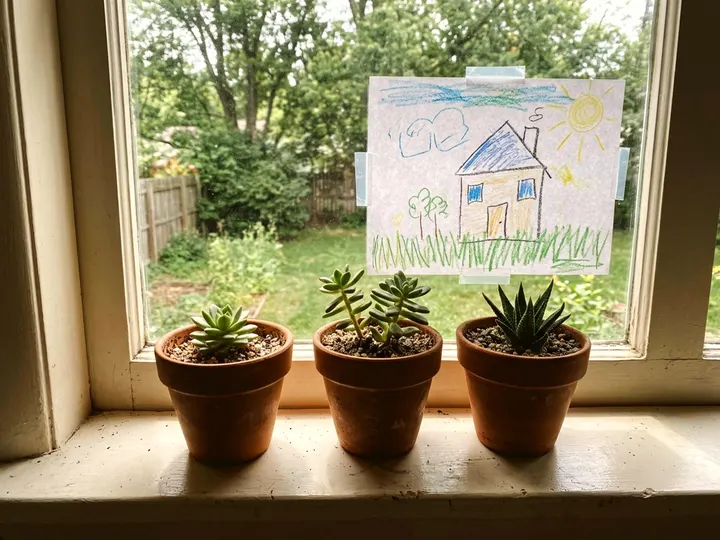
Caring for a succulent plant takes a lot of sunshine and very little water. These desert plants rot if they stay wet. You will keep them alive with a bright window and a pot that drains.
How much light your plant needs
Succulents need plenty of sun to survive indoors. Finding the right spot in your house is the first step. Iowa State University Extension says succulents need many hours of bright, indirect light.
A bright window is usually your best bet. Place the pot right on the windowsill. You can also put it on a low table near the glass.
Watch your plant to see if the light is right. A happy plant stays compact and keeps its rich color. A plant that needs more sun will stretch out.
The stem grows tall and the leaves sit far apart. The plant is reaching for the glass. You can slide it closer to the window.
Summer sun can sometimes be too intense. If the leaves look burned or bleached, the afternoon sun is too strong. Pull the pot back a few inches. You can also draw a sheer curtain during the hottest part of the day.
Turn the pot a quarter turn now and then. Plants lean toward the sun as they grow. Rotating the pot keeps the stem straight. It also helps all the leaves get a fair share of sunshine.
Dust settles on the leaves over time. A layer of dust can block some of the light.
Wipe the leaves gently with a damp paper towel every month. This helps the plant soak up the light it gets.
Choosing fast draining soil and pots with holes
Many plants come from the store in a cheap plastic cup. You will want to move yours into a real pot. The new home must let water escape.
Iowa State University Extension says succulents need a fast draining mix and containers must have drainage holes. The roots need air just as much as they need moisture.
Regular potting dirt holds moisture like a sponge. This is great for a fern. It is fatal for a desert plant.
Buy a bag of cactus or succulent dirt at the garden center. This mix has extra sand or perlite. The gritty texture lets water pass through quickly.
Pick a pot made of terra cotta. Clay breathes and helps the dirt dry out faster. Plastic or glazed ceramic pots hold moisture inside. They work fine, but you must be careful not to overwater.
Never put gravel in the bottom of a pot without holes.
The water simply pools in the rocks. The dirt above stays soggy and the roots drown. Always buy a pot with a hole in the bottom. Put a small saucer underneath to catch the drips.
Repotting is a messy job. Spread newspaper on the kitchen table. Gently squeeze the sides of the cheap plastic pot.
Slide the plant out. Break up the old dirt with your fingers. Throw the old dirt away.
Put fresh succulent soil in your new terra cotta pot. Place the plant in the middle. Scoop more dirt around the sides and press it down lightly.
How to water your succulent deeply
Parents often water houseplants on a tight weekend schedule. Succulents prefer a different routine. They like a massive downpour followed by a long drought.
Bring your plant to the kitchen sink. Pour water over the soil until it runs out the bottom. Let the pot sit in the sink for a few minutes. It needs to drip dry.
Move it back to its saucer on the windowsill. Check the saucer a little later. Empty any water that pooled in the dish.
The pot should never sit in a puddle.
Now you wait. The dirt must dry out completely before you water again. Iowa State University Extension says watering about every 2 to 3 weeks is a starting point to adjust.
A heavy pot might need more time to dry. A small clay pot in a hot window will dry faster.
Home temperatures change how often your plant needs a drink. Winter brings dry air. Furnaces blow hot air around the house. Your dirt might dry out faster than you expect.
Keep checking with your finger. Do not stick to a rigid calendar.
Stick your finger several inches into the soil. If it feels moist, wait another week. You can also push a wooden skewer into the dirt.
Pull it out and check the tip. If the wood is damp, the plant does not need a drink. Ignore the plant until the soil is bone dry.
Reading the signs of too much or too little water
Your plant will tell you how it feels. You just have to look at the leaves.
Overwatering is a common mistake. Too much moisture can rot the roots.
A drowning succulent turns yellow. The leaves feel soft and mushy. They might look slightly clear instead of solid green.
A healthy leaf is firm to the touch. A sick leaf falls off if you brush against it.
The stem might turn black near the dirt.
This means rot has set in. A rotting succulent is often hard to save, so if the rot has spread, start over with fresh soil in a clean pot.
If you forgot your plant for a month, do not panic. Succulents store water in their thick leaves. An underwatered plant is easy to fix.
The leaves look wrinkled and deflated. They lose their plump shape. The tips might turn brown and crisp.
The plant is using its stored water to survive. Give the pot a good soak in the sink. The leaves should plump up again after a good soak.
Lower leaves naturally shrivel and fall off as the plant grows. This is normal aging. Just pull the dry leaves out of the pot. You only need to worry if the top leaves look sick.
Which common succulents are toxic to pets
Families with dogs and cats need to pick their houseplants carefully. Pets often chew on interesting leaves when they get bored. Some popular desert plants are dangerous to animals.
The ASPCA lists the jade plant as toxic to dogs, cats and horses, with vomiting, depression and incoordination. The jade has thick green leaves and looks like a small tree. It is a common gift, but it belongs out of reach.
The ASPCA lists aloe as toxic to dogs, cats and horses. It is a risk to a curious puppy. Keep it off low coffee tables.
You can still have plants if you have pets. You just need to choose safe varieties.
The ASPCA lists the zebra haworthia as non-toxic to dogs, cats and horses. This small plant has green spikes with white bumps. It looks lovely on a desk and is listed by the ASPCA as non-toxic to cats.
Plant name | Pet safety |
|---|---|
Jade plant | Toxic to dogs, cats and horses |
Aloe | Toxic to dogs, cats and horses |
Zebra haworthia | Non-toxic to dogs, cats and horses |
You can read more about safe houseplant options if you want to green up the rest of your home. You might also have low-light rooms. A peace lily can thrive there. Just read up on peace lily care before bringing one near your pets.
Keeping plants away from small mouths
Toddlers explore the world with their hands and mouths. A low plant stand looks like a buffet to a curious two-year-old. You need to arrange your rooms with safety in mind.
Keep all houseplants high up on floating shelves or tall bookcases. Choose heavy ceramic pots that a toddler cannot pull down by accident. Push the pots far back from the edge of the shelf. Sweep up any dropped leaves right away.
Talk to older kids about leaving the plants alone. Tell them the leaves are for looking, not touching. Give them their own watering can to help you on watering day. This teaches them to respect the plants.
Accidents still happen on busy days. You need to know what to do if a child takes a bite. Poison Control says to call 1-800-222-1222 if a child eats a poisonous plant.
Put this number in your phone contacts right now. You can also write it on a card and pin it to the fridge.
For more options, see our guide on easy houseplants for busy families to plan out your window space.
More for your crew
11 easy houseplants for busy families and which are not kid safe
8 quiet minutes to read