- FSN Mag
- Family Houseplants
- Peace lily care for a home with small kids and pets
Peace lily care for a home with small kids and pets
Discover how to care peace lily plant leaves and flowers while keeping toddlers and dogs safe from mouth irritation with basic watering and placement steps.
Written for you by Forrest Yewell
6 quiet minutes to read
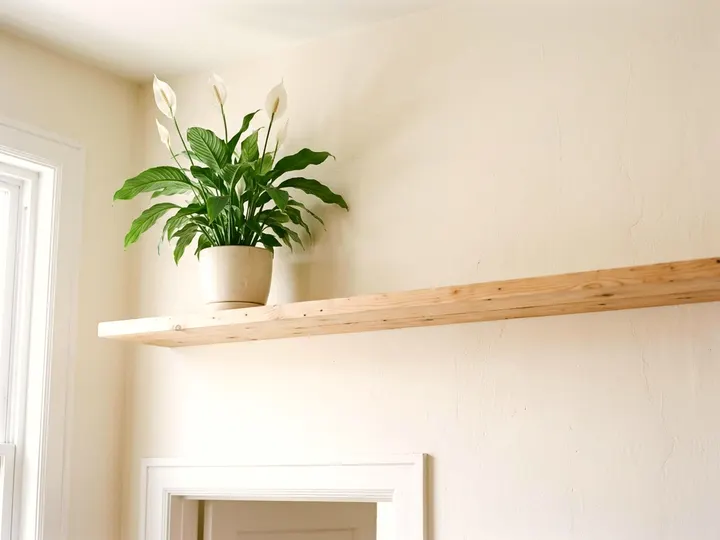
Your care peace lily plant routine starts with bright, indirect light and damp soil. You also need a secure spot out of reach for this popular houseplant. Peace lilies have natural compounds that cause irritation if a child or pet chews a leaf, so safe placement matters just as much as watering.
Where to place your peace lily for the best light
Your plant needs a spot with bright, indirect light to thrive. South Dakota State University Extension notes that peace lilies like bright, indirect light. A spot a few feet away from a sunny window works well, so the plant sees the sun without it shining directly on the leaves. Direct sunlight can scorch the delicate foliage.
Think about the rooms where you spend time, as a bright living room corner or a home office often provides the right conditions. An east-facing room gives gentle morning light. A room with southern exposure might be too harsh if the plant sits right on the windowsill. You can pull it back into the center of the room to soften the glare.
Look at the shadows in the room during the afternoon. A shadow with a soft edge means the light is indirect, while a harsh, dark shadow means the sun is too direct. Moving the pot a foot or two can make a big difference. Pay attention to how the light changes across the seasons, because a safe spot in the winter might get too much direct sun by early summer.
How to water the soil and what a drooping plant means
South Dakota State University Extension advises keeping the soil damp but not soggy. You want the roots to have moisture without drowning them. Stick your finger an inch into the potting mix. If it feels dry to the touch, your plant needs a drink, but if the dirt sticks to your skin and feels wet, wait another day or two.
A thirsty peace lily droops.
The whole plant sags and the leaves hang over the edge of the pot, which looks alarming. A good drink of water often helps the leaves stand back up, since SDSU Extension says drooping usually means the plant needs more water. You can water the soil evenly until moisture drips out the bottom holes.
Never leave the plant sitting in standing water, which South Dakota State University Extension warns against. Empty the saucer or outer pot after you water the plant. Standing water can cause root problems. If a heavy pot is hard to lift, you can use a turkey baster to pull excess water out of the tray.
You can also take the plant to the kitchen sink and let the water run through the nursery pot to drain completely. Place the pot back in its decorative container once the dripping stops. This method ensures the roots get thoroughly soaked without the risk of standing water.
Feeding the roots in spring and summer
Your plant puts on new growth when the days get longer, making spring and summer the active seasons for houseplant roots and leaves. You can offer a basic liquid plant food during these warmer months. Mix the fertilizer with water according to the package directions. A weak dilution often works better than a strong dose.
Feed only in spring and summer, following the package directions. You can stop feeding completely when fall arrives. Indoor plants rest during the shorter days of winter and do not need extra nutrients.
Check the plant food label for how much and how often to feed.
Understanding the plant family and its traits
The common name of this houseplant causes some confusion. The peace lily belongs to the Araceae family, and South Dakota State University Extension explains it is not a true lily. True lilies belong to a different botanical group entirely.
The dark green leaves and the white bloom share a specific defense mechanism. All parts contain calcium oxalate.
South Dakota State University Extension notes the risk, advising that small children and pets should be kept from chewing the plant due to this compound. Those same crystals cause trouble in a busy family living room.
Why calcium oxalate makes chewing a bad idea
Those natural crystals are insoluble and irritate the mouth. The ASPCA lists the peace lily as toxic to dogs and cats because of insoluble calcium oxalate. When a pet takes a bite, the crystals can irritate the mouth.
The ASPCA notes the reaction causes mouth irritation and drooling in pets. A dog or cat may drool heavily or have trouble swallowing. If your pet chews the plant, call your veterinarian or ASPCA Poison Control right away.
The same risk applies to a curious toddler exploring the house with their mouth, who could have mouth irritation too. You want to avoid this painful experience entirely. Learning which indoor plants are safe is easier before you bring a plant home.
Finding a safe spot in a busy house
Placement is your best tool for houseplant safety.
Poison Control says to keep indoor plants where children cannot reach them. A low coffee table invites a crawling baby or a teething puppy. You need to look higher up in the room.
A tall bookshelf or a floating wall shelf keeps the leaves out of small hands. Make sure the furniture itself is stable. If you use tall shelves, review how to anchor heavy furniture and apply those same rules to your living room. A heavy pot pulling down a wobbly shelf creates a different kind of hazard.
Hanging baskets offer another great solution, letting you suspend a plant from a secure ceiling hook near a bright window. The leaves stay high up and the floor remains clear for play. Just check the pot for drips after you water it.
Consider the habits of your specific pets. A large dog might not notice a plant on a side table, but a curious cat might jump to the highest cabinet in the room. You have to match the plant placement to the climbing skills of your animals. Sometimes a room with a closed door is the only truly safe option.
What to do if a child takes a bite
Even with careful placement, accidents happen in a busy home. A dropped leaf can end up on the floor. A child might climb a chair when you turn your back to check the stove.
Stay calm and take any remaining plant pieces away from them. Poison Control advises you to call 1-800-222-1222 if a child eats a poisonous plant. Keep this national hotline number saved in your phone. You can also write it on a card on the refrigerator.
The person on the phone will ask about the plant and the symptoms. Do not wait for severe symptoms to develop before making the call. The specialists can tell you what to watch for and what to do next.
A quick call gives you clear instructions and a sense of relief. Follow the instructions the Poison Control specialist gives you.
More for your crew
11 easy houseplants for busy families and which are not kid safe
8 quiet minutes to read