- FSN Mag
- Family Houseplants
- 11 easy houseplants for busy families and which are not kid-safe
11 easy houseplants for busy families and which are not kid-safe
Find the best low-maintenance indoor houseplants for a busy family schedule. Learn about their light and water needs and which ones are toxic to your pets.
Written for you by Forrest Yewell
8 quiet minutes to read
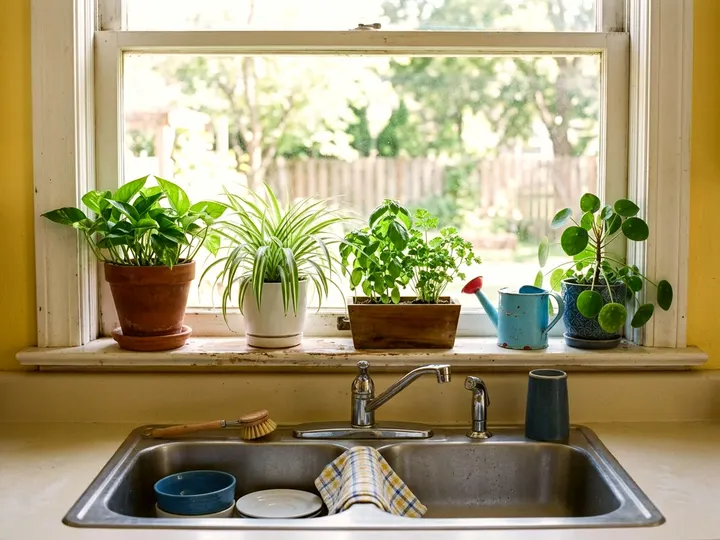
These 11 low-maintenance indoor houseplants survive missed waterings and thrive in typical home light. We cover their basic needs, say what the ASPCA lists for the plants we checked, and point you to the ASPCA list for the rest. A sturdy houseplant adds color to your living room without adding stress to a busy week.
What low maintenance means in light and water terms
A forgiving plant fits into a frantic schedule without demanding daily attention. Low-maintenance varieties tolerate the dry air inside most homes. They survive in average natural light from nearby windows and do not require expensive grow lights.
These plants also handle a missed watering on a chaotic weekend. They bounce back quickly once you remember them. You spend fewer minutes checking soil and more time dealing with the laundry pile.
1. Spider plant
The spider plant grows long green and white leaves that spill over the side of a pot. The ASPCA lists the spider plant as non-toxic to dogs and cats. These cascading leaves make the plant a natural fit for a hanging basket. Hang it above a reading chair to keep the long leaves away from curious toddlers.
Set the pot in a spot that gets bright, indirect sunlight. Direct afternoon sun burns the thin leaves and turns the tips brown. The soil needs to dry out partially between drinks.
Water the dirt until liquid runs out the bottom drainage holes, then empty the plastic saucer. A saucer left full of water can let the roots rot.
2. Boston fern
A Boston fern adds soft, feathery green fronds to a bathroom or guest bedroom. The ASPCA lists the Boston fern as non-toxic to dogs and cats. The dense green leaves hide the edge of the pot and soften the look of a room.
Ferns prefer slightly damp soil and indirect sunlight. They do well in spaces that get natural light and regular humidity. The daily shower steam helps them thrive and stops the leaves from getting crispy.
Wait until the dirt feels dry on top before adding more water. If the soil stays dry too long, the fern drops brown leaflets onto the floor. A quick sweep cleans the mess, and the plant recovers after a deep soak.
3. Parlor palm
A parlor palm brings a tall, leafy shape to an empty corner beside a sofa. The ASPCA lists the parlor palm as non-toxic to dogs and cats. The slender green stems grow straight up and fan out at the top.
This plant accepts lower light levels than most ferns. Put it a few feet away from a window where the sun never hits the leaves directly. Let the top of the dirt dry completely before watering.
Tuck the pot behind an armchair or beside a television stand. A sturdy ceramic planter prevents pets from knocking the tall stem over while playing. The palm grows slowly and rarely needs a bigger pot.
4. Snake plant
The snake plant features tall, stiff leaves that stand straight up like swords. The ASPCA lists the snake plant as toxic to dogs and cats because of saponins, with nausea, vomiting and diarrhea. The green leaves often have bright yellow borders.
This plant handles dark corners well. It survives long periods without water. Let the dirt turn bone dry before giving it a drink.
Too much moisture causes the roots to rot and the firm leaves to turn mushy. Use a pot with a wide drainage hole. The roots grow strong and tight, so a heavy pot prevents the tall leaves from tipping over.
5. Pothos
Pothos vines trail down from high shelves, curtain rods, and tall bookcases. The ASPCA lists pothos as toxic to dogs, cats and horses. The heart-shaped leaves come in solid green or mixed with splashes of white and yellow.
This trailing vine adapts to low light and bright, indirect sun. The leaves wilt slightly when the plant needs water. Give it a deep soak once the soil feels dry to the touch. The vines usually perk back up soon after.
Keep this plant on a high shelf. Long vines hanging near the floor tempt cats and crawling babies. Snip the ends with sharp scissors if the leaves drop low enough for small hands to grab.
6. Aloe vera
Aloe vera is a classic houseplant with thick, jagged green leaves that fan outward. Succulents need a fast draining soil mix, and watering about every 2 to 3 weeks is a starting point to adjust from.
Keep the pot on a sunny window sill. The bright light keeps the heavy leaves upright and firm. Check the ASPCA listing before you buy this plant to see if it causes trouble for pets.
Plant the aloe in an unglazed clay pot. The porous clay pulls extra moisture out of the dirt, which helps guard against root rot. The wide base of a clay pot also supports the heavy top of the plant.
7. Jade plant
A jade plant grows woody stems and fleshy, oval leaves. It acts like a miniature tree on a desk or entryway side table. Check the ASPCA listing before you buy a jade plant for your home.
This succulent needs a spot with bright sunlight to thrive. Wait until the dirt dries out completely before giving it a drink. This pause keeps the roots healthy and the fleshy leaves plump.
Plant your jade in a heavy terracotta pot. The thick leaves make the top of the plant heavy. A solid base stops a toddler from tipping the whole thing off a side table.
8. Echeveria
An echeveria forms a tight, flat rosette shape close to the soil. It comes in soft shades of green, blue, and dusty purple. Check the ASPCA listing before you buy one of these for your living room.
This small succulent needs several hours of direct sun to keep its colorful shape intact. Without enough bright light, the center stem stretches out and looks bare. Stick to dry soil to prevent root rot. Read up on what a succulent needs to live before you place the pot.
Pour the water directly onto the dirt, avoiding the leaves. Water trapped inside the tight rosette causes the center of the plant to rot. A narrow watering can spout makes this job quick and clean.
9. Haworthia succulent
The Haworthia is a small plant with bumpy white stripes on its pointy green leaves. It fits neatly on a bathroom shelf or a narrow kitchen ledge. Check the ASPCA listing before you buy this variety.
It handles slightly less direct sun than an echeveria. A spot with bright, indirect light works best. Keep the soil on the dry side to keep the striped leaves firm.
This plant has a shallow root system. It thrives in a small, shallow pot with excellent drainage. It rarely needs a bigger pot, saving you time and mess.
10. Cast iron plant
A cast iron plant features large, dark green leaves on thin, wiry stems. Check the ASPCA listing before you bring this one into your house. The broad leaves fill empty spaces beside television stands and hallway tables.
This plant lives up to its name by surviving tough conditions. It tolerates deep shade, dry air, and irregular watering schedules. Wait until the dirt feels completely dry before giving it a soak.
Set the pot in a cool entryway or a drafty hallway. The plant ignores shifting temperatures near a front door. It handles the dry winter air from a heating vent without turning brown.
11. ZZ plant
The ZZ plant grows thick, arching wands lined with shiny oval leaves. Check the ASPCA listing before you buy a ZZ plant. The dark green stems look striking against a plain white wall.
It stores moisture in thick, bulb-like roots buried under the dirt. The plant handles low light well. This makes it a reliable choice for a basement family room or a dark hallway.
Keep this one in a heavy floor planter. The sturdy stems stand up to accidental bumps from toys and vacuum cleaners. Ignore the plant until the dirt is completely dry to the touch.
A simple weekly water check
Too much water is a common way to lose a houseplant. A strict calendar schedule often leads to soggy dirt and rotten roots. The best way to know what a plant actually needs is a quick finger test.
Push your index finger slightly into the soil. If the dirt feels wet, cold, or sticks to your skin, skip the water for a few days. If it feels completely dry and dusty, bring out the watering can. This step takes five seconds and keeps your plants alive longer.
Look at the edges of the pot as well. When dirt gets too dry, it shrinks and pulls away from the sides. The water runs down the gap instead of reaching the roots. Break up the dry dirt surface with a fork before watering.
Where to put toxic plants
Keep dangerous leaves far away from curious toddlers and bored pets. Poison Control says to keep indoor plants where children cannot reach them and to call 1-800-222-1222 if a child eats a poisonous plant. Place trailing vines like pothos on high bookshelves.
A hanging planter can lift greenery above small hands, but only if the hook is rated for a wet, heavy pot, so check the hardware label or ask a licensed pro before you hang one. Toxic plants still need to sit out of reach of children and pets.
Read up on which houseplants are safe around kids and pets before you buy anything for the floor of the playroom. Treat every unfamiliar houseplant as a risk until you know its exact name and basic details.
More for your crew
The best houseplants for a dim room and how to keep them alive
9 quiet minutes to read