- FSN Mag
- Family Houseplants
- The best houseplants for a dim room and how to keep them alive
The best houseplants for a dim room and how to keep them alive
Houseplants for low light can thrive in a dim bedroom or hallway if you choose the right varieties and adjust your watering routine.
Written for you by Forrest Yewell
9 quiet minutes to read
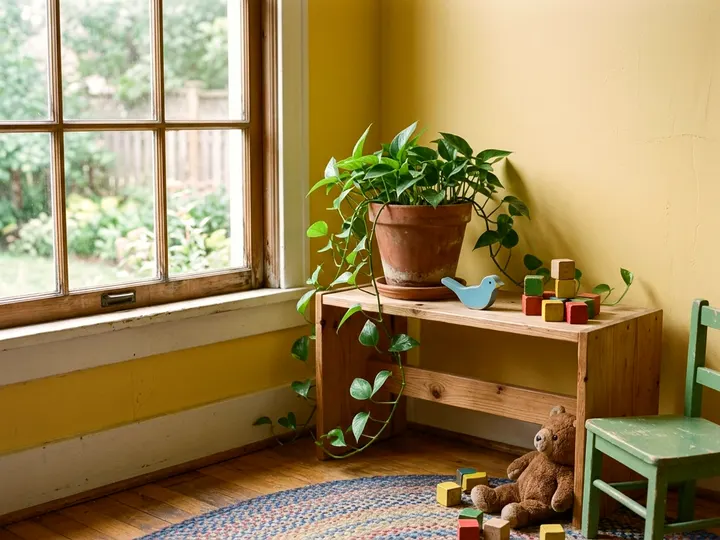
The best houseplants for low light include the snake plant, ZZ plant, pothos, and cast iron plant. These sturdy varieties tolerate a dim bedroom or a shaded hallway where sun-loving plants fade. They survive away from windows by growing slowly and needing far less water than they would in bright spots.
What low light really means in a house
Human eyes adjust to dark rooms easily. Plants cannot do the same trick. A space feels bright to you but might look like a cave to a leafy vine. Low light means any spot where you cannot easily read a printed book without turning on a lamp.
A room with a north-facing window offers low light all day long. The sun never hits the glass directly. A deep hallway with no windows at all is a very dim space. You might rely completely on light spilling in from other rooms.
Outdoor shade makes a huge difference inside. A bedroom window blocked by a large oak tree provides very little sun. A covered porch attached to the living room steals the sun before it ever reaches the glass.
Distance from the glass matters too. A plant sitting right on a sunny windowsill gets bright light. Move that same pot a few steps back into the room and the light level drops fast. A corner just a few strides away from a bright window counts as low light.
Seasons change the light in your home. The sun hangs lower in the sky during the winter. A corner that gets decent light in the summer might fall into deep shadow by late fall. You have to watch how the sun moves across your floors.
Window treatments change the environment. Sheer curtains filter the harsh sun but they also reduce the total light. A frosted bathroom window cuts the sunlight drastically, and a heavy blind pulled halfway down cuts the light further. You have to look at the room exactly as it sits for most of the day.
Sturdy floor plants that put up with a dim corner
Certain plants survive under a dark forest canopy in the wild. They adapt well to the shady parts of a human home. Large floor plants fill an empty corner without needing direct sun.
The ZZ plant is tough and hard to kill. It sends up thick green stems lined with glossy oval leaves. The plant grows from thick underground roots that hold onto water. It does nothing fast, simply sitting in a dark corner and staying green.
The snake plant features stiff leaves that stand straight up like swords. The leaves often have mottled dark green patterns, and some varieties show pale yellow edges. This plant tolerates dry air and heavy shade. It takes up very little floor space in a narrow hallway.
The cast iron plant lives up to its name. It sprouts wide dark green leaves straight from the soil. It grows extremely slowly in a dim room. The wide leaves gather whatever faint light filters through the doorway.
Parlor palms offer a different shape entirely. They look like tiny indoor trees with thin feathery fronds. They prefer a little shade and suffer if the sun touches their leaves directly. A parlor palm softens the sharp edges of a bulky wooden dresser.
The corn plant grows tall on a thick woody cane. It shoots out long ribbon-like leaves from the top of the stalk. It fills up empty vertical space in a shaded dining room. A corn plant handles low light well as long as you do not overwater it.
Trailing vines and tabletop plants for shaded shelves
Not every dim spot is on the floor. A high bookshelf or a dark bathroom counter needs a smaller plant. Trailing vines and compact bushy plants work well here.
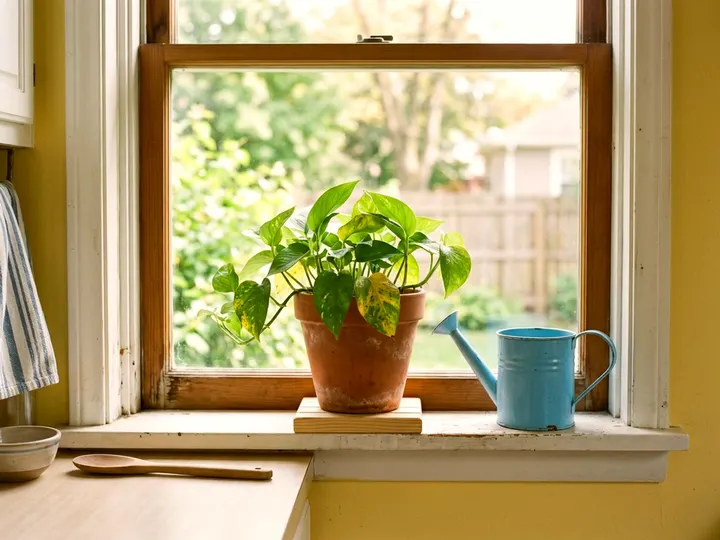
Pothos is a trailing vine that handles poor lighting well. It sprouts heart-shaped leaves on long flexible stems. You can set the pot on a tall shelf and let the vines hang down. A solid green pothos handles shade better than a plant with heavy white stripes.
The heartleaf philodendron looks very similar to a pothos. The leaves feel a bit softer and totally matte. It vines down the side of a pot nicely. It handles a dim bedroom shelf without complaining.
The Chinese evergreen offers wide patterned leaves on short stems. The leaves come in shades of silver, dark green, and pale pink. The varieties with dark green and silver leaves handle the least amount of light. They sit nicely on a hallway console table.
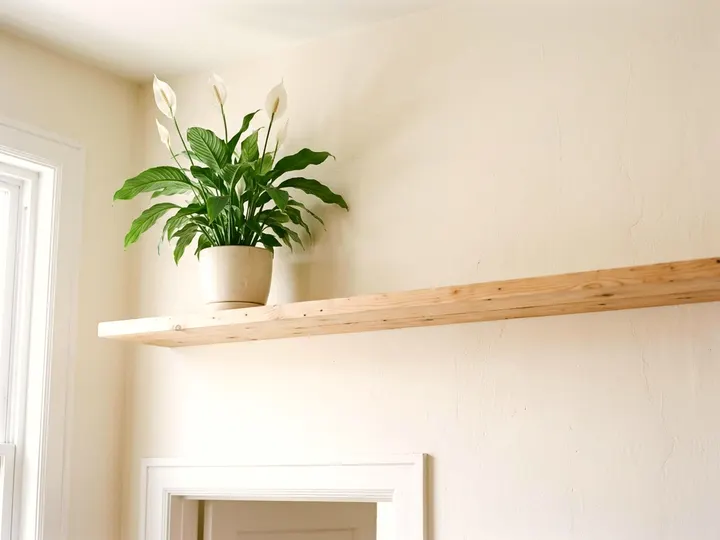
A peace lily thrives in lower light conditions. It shoots up dark green pointed leaves from the dirt. It might even send up a white flower if it gets just enough indirect sun. It tells you exactly how it feels by drooping dramatically when thirsty.
A spider plant survives in many rooms. It grows long thin leaves that arch out from the center of the pot. It eventually sends out long runners with tiny baby plants attached to the ends. A spider plant looks great sitting on top of a dark bedroom wardrobe.
Where to set them so they get what light there is
Low light does not mean zero light. All plants need some sunlight to make their food. A room with no windows and closed doors will eventually kill any living plant.
Place your pots where they catch scattered rays. Set a snake plant on the floor across from a bedroom doorway. The open door lets daylight drift down the hall.
Mirrors help bounce light around a dim room. Place a pothos near a large wall mirror to reflect stray beams of sun back onto the leaves. Light-colored walls do the same thing on a smaller scale. A plant in a white room gets more ambient light than a plant in a room painted dark blue.
Keep plants away from dark crannies where shadows pool. A tight gap between a tall wardrobe and a solid wall blocks light from the sides. Pull the pot forward so the leaves can see the main room.
Lift your plants up to catch more rays. A short plant sitting on the floor gets shadowed by furniture. Put that same plant on a wooden stool. It reaches the light spilling over the top of the bed.
Clean windows help a lot. Dust and grime on the glass filter out weak morning sun. Wipe the panes down to let maximum light inside.
Clean the plant leaves too. A layer of household dust blocks some of the weak light a plant gets. Wipe wide leaves with a damp cloth every few weeks. Take trailing vines to the shower and rinse them gently.
Water less in low light and why
Light gives a plant the energy to drink water. A plant in a sunny window uses up water quickly. A plant in a dark corner barely drinks at all.
You must change how you water when you place houseplants in low lighting. The soil stays wet for a long time. Water evaporates very slowly in a cool dark room.
Checking the soil matters more than sticking to a set schedule. Poke your finger deep into the dirt, and wait if the soil feels damp or cool. Only give water when the top few inches of dirt feel completely dry. A ZZ plant can go weeks without a single drop.
You can also judge the water by lifting the pot. A pot full of wet dirt feels heavy, while a dry pot feels extremely light. Pick the plant up before you grab the watering can. Put it back down if it has any weight to it.
Too much water can kill shade plants fast. The wet soil cuts off oxygen to the roots. The roots turn to mush and rot.
Always use a pot with a clear drainage hole in the bottom. Carry the pot to the sink and pour room temperature water over the soil until it runs out the bottom hole. Let it drip completely before putting the plant back on its saucer. Never let a pot sit in a puddle of old water.
Pay attention to the potting soil itself. Regular potting dirt can hold too much moisture for a dark room. Mix in handfuls of coarse perlite or orchid bark before planting. These chunky bits create tiny air pockets in the dirt so the water drains through much faster.
Signs the plant needs more light
Plants tell you when they are struggling. You just have to watch how they grow. A plant surviving in a dim spot might eventually need a break in a brighter room.
Long gaps between leaves provide a clear warning. A vine will stretch out looking for the sun, growing a long and thin stem. The new leaves look tiny compared to the older ones near the soil. This stretching usually means the plant wants more light.
A plant leaning hard to one side shows the same hunger. It tilts its entire body toward the nearest doorway or window. Spin the pot partway around every time you water it to keep the plant growing straight. A heavy tilt that comes back quickly means the plant needs a new home.
Loss of color is another clue. Many plants feature leaves with white or yellow patterns that they produce when getting plenty of light. In a dim room, it turns its new leaves completely dark green. It needs more green surface area to catch the weak light.
Pay attention if the dirt never seems to dry out. Soil that stays wet for an entire month may mean the plant has stopped drinking. The spot is too dark for the plant to function.
Leaves dropping off completely can signal deep distress. It is normal for an old leaf near the bottom to die and fall. It is a problem when green healthy leaves drop off in handfuls. Fixing those yellow dropping leaves sometimes comes down to moving the pot closer to a window.
Check the safe plant list before bringing one home
Some popular shade plants can be harmful if chewed or swallowed. A tired parent might grab a simple green houseplant at the grocery store without checking the label. That plant ends up in a toddler bedroom or on a low hallway table.
Some common houseplants can irritate a mouth or stomach if a child or a pet takes a bite, so check each plant before you bring it home.
You have to match the plant to the space and the people living there. A trailing vine can stay out of reach if you hang it high from the ceiling, but check that the plant is safe first. The long stems stay out of reach of curious hands. A tall heavy floor pot is much harder to keep away from a crawling baby.
Always check a safe houseplant list before you buy one. Do not guess based on how the plant looks.
Look up the exact botanical name of the plant before paying. The label on the plastic pot might just say assorted foliage. Ask a store worker for the real name. Check a trusted source like the animal poison control center website.
Knowing what you are bringing into the house keeps your family protected.
Teach older children not to touch houseplant leaves. Pick up any dropped leaves from the floor right away.