- FSN Mag
- Family Houseplants
- Which houseplants are safe around kids and pets
Which houseplants are safe around kids and pets
Keep your family safe with pet safe plants like spider plants and parlor palms. Learn which common houseplants to avoid and what to do in an emergency.
Written for you by Forrest Yewell
7 quiet minutes to read
A houseplant brings a little color and life indoors. You want greenery that works for everyone in your home. Spider plants and parlor palms make excellent pet safe plants. You also need to keep toxic favorites like pothos away from small hands and curious cats.
Why a non-toxic plant is still not food
A plant the ASPCA lists as non-toxic to pets is a better fit for a home with a dog or cat, but it is still not food. Children explore their surroundings by tasting things. A green leaf looks interesting and might even look like the vegetables you serve at dinner. You have to teach them that indoor plants stay in their pots.
A safe houseplant can easily upset a small stomach. Plant leaves are not meant to be eaten. A dog might chew on a green frond out of boredom and throw it up on the rug a few hours later. Keep the leaves out of mouths entirely to avoid the mess and the panic.
Choking is another real danger. Poison Control says even non-poisonous plants can cause choking if a child tries to eat them. A thick stem or a dry leaf can block a small airway. A toddler might tear off a piece and swallow it whole.
You have to watch the dirt in the pot too. Potting soil has fertilizer and bits of bark. A baby crawling on the floor may put a handful of dirt in their mouth if they can reach it.
Pet safe plants you can bring home
You have plenty of great options for a family home. The ASPCA maintains a list of plants that are toxic and non-toxic to pets. You can build a beautiful indoor garden without putting your animals at risk. You just need to know what you are looking for at the store.
The spider plant is a classic choice for beginners that grows long striped leaves. The ASPCA lists the spider plant as non-toxic to dogs and cats. It sprouts tiny baby plants on long stems that you can snip off and grow in a new pot.
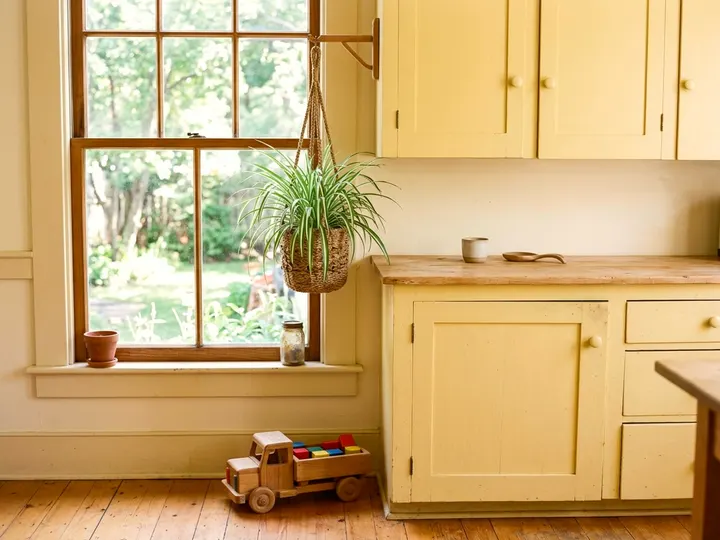
A spider plant is very forgiving and bounces back if you forget to water it for a few days. You can hang one in a sunny kitchen window. The bright light keeps the stripes looking sharp.
The prayer plant adds color to a bright room. The ASPCA lists the prayer plant as non-toxic to dogs, cats and horses. Its bright green and pink leaves fold up flat at night like hands in prayer. Many kids find that movement interesting to watch before bedtime.
Ferns soften the look of a plain room. The ASPCA lists the Boston fern as non-toxic to dogs and cats. A Boston fern needs a little more care than a spider plant because it likes moist soil and a humid room.
A bright bathroom is a great spot for it. The long fronds drop tiny dry leaflets over time. You will need to sweep under it often.
A parlor palm brings a bit of the tropics to a dull corner. The ASPCA lists the parlor palm as non-toxic to dogs and cats. It grows slowly, takes up very little space and does well in normal room light.
This plant looks like a miniature tree, so you can place one next to a living room sofa. It has thin delicate leaves that may tempt a cat. You still want to keep the cat from chewing on it.
You can find more houseplants for busy families at any local garden center. Read the tags carefully before you buy anything.
Common houseplants you need to keep away
Some of the most common plants in stores are not safe for a family. You might already have a few of these in your home. You do not have to throw them in the trash. You just need to respect what they are and handle them carefully.
Pothos is a popular trailing vine. It is also a bad mix with pets. The ASPCA lists pothos as toxic to dogs, cats and horses because of insoluble calcium oxalates.
The ASPCA lists oral irritation, pain and swelling of the mouth and lips, drooling and trouble swallowing as signs in pets. If a child chews a pothos leaf, call Poison Control at 1-800-222-1222.
The peace lily is another common plant to keep out of reach until you check its ASPCA listing. People often give them as housewarming gifts because of their dark green leaves and white flowers. Read up on peace lily care in a home with animals.
Check the ASPCA listing for the peace lily, and keep it away from the areas where your pets sleep or eat and out of reach of children.
How to place plants where small hands cannot reach
Location solves most of the problems with indoor greenery. Poison Control says to keep indoor plants where children cannot reach them. You have to outsmart both toddlers and climbing cats.
Hanging baskets keep plants out of reach. A sturdy hook in the ceiling keeps a trailing vine safe. Make sure the hook is rated for the weight of the pot and anchored the way its instructions say, because a heavy watered pot can pull out of bare drywall.
Keep an eye on how long the vines get and trim a pothos vine before it trails down to the floor. A toddler pulling on a low vine can pull the whole heavy pot down on their head.
Take the basket down to water it in the sink. You can let it drain completely before you hang it back up. This stops dirty water from dripping on the rug.
High shelves work well for upright pots. A tall bookcase puts a parlor palm out of a baby sightline. You just have to make sure the furniture itself is safe, since a heavy pot changes the balance of a shelf.
Anchor your kids bedroom furniture and living room bookcases to the wall by following the maker's instructions. You do not want a climbing child to tip a bookcase and a ceramic pot over at the same time.
Some rooms might need to be totally plant free. A kid bedroom is a place for sleeping and playing. You cannot watch them every minute they are in there, so keep the greenery in the living room or the kitchen.
You can also designate a guest bedroom as a green room. Close the door to keep the dog and the toddler out.
Heavy planters belong on the floor. A big watered ceramic pot gets very heavy, so put it in a corner where it cannot tip over easily. If the plant inside is listed as non-toxic to pets, the main risks are the dirt and the weight.
The simplest fix is a spot a toddler cannot reach.
Find the exact plant name right now
You need to know exactly what is growing in your house. A green leaf looks like any other green leaf in a panic. You do not want to waste time guessing names during an emergency.
Keep the plastic tag that comes in the nursery pot because it has the real scientific name printed on it. Common names change from store to store, and two totally different plants might share the same common name.
One plant might be safe while the other is highly toxic. The scientific name helps Poison Control identify the plant.
Take a clear photo of every new plant you bring home. Get a close shot of the leaves and the stem. Keep those photos in a folder on your phone. If a child eats a leaf, you can show the photo to a doctor right away.
Write the plant name on the bottom of the ceramic pot. A piece of masking tape and a marker do the job perfectly. You usually throw the nursery tag in the garbage on repotting day, but a label on the bottom of the pot stays there forever. You can also write the date you bought it on the same piece of tape.
Who to call for a chewed leaf or swallowed dirt
You turn your back for two minutes to load the dishwasher. You turn around and your child has a green leaf in their mouth. You need to act fast and call the right people.
The ASPCA lists pet toxicity only. You cannot use a dog safety list to guess if a plant is safe for your toddler. A human body processes things differently than a dog body does. Use Poison Control for guidance about children.
Call 1-800-222-1222 if a child eats a poisonous plant, or if you are just not sure what the plant is. Save 1-800-222-1222 in your phone contacts right now. Do not wait for an accident to happen.
Have the plant name and what your child ate ready when you call, and follow the instructions you are given.
Never try to make a child throw up unless a medical professional tells you to do it. Have the plant nearby when you call. If you have to go to the emergency room, take the plant name and your photos with you.
Pets need a different approach. If your cat or dog chews a toxic leaf, call your local vet immediately or call the ASPCA Animal Poison Control Center. They handle pet emergencies all day long, and a vet will know the safest way to treat the stomach upset or the throat pain.
More for your crew
11 easy houseplants for busy families and which are not kid safe
8 quiet minutes to read