- FSN Mag
- Family Meal Plans
- Meal prep for picky eaters that still saves you time
Meal prep for picky eaters that still saves you time
Save time and lower stress with meal prep for picky eaters by preparing versatile ingredients and safely introducing new foods to your kids.
Written for you by Forrest Yewell
6 quiet minutes to read
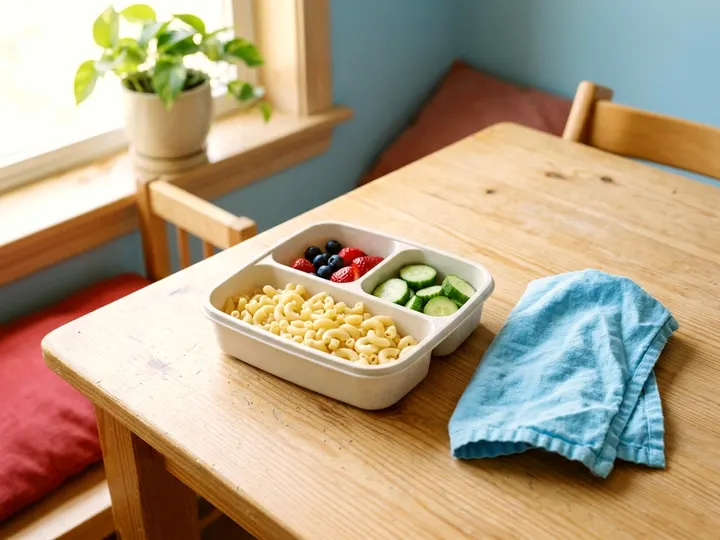
Meal prep for picky eaters works best when you prepare base ingredients instead of whole recipes. You save time during a busy week and give kids the familiar foods they accept. You can then safely introduce new flavors without making entirely separate dinners.
Prep plain ingredients instead of complete meals
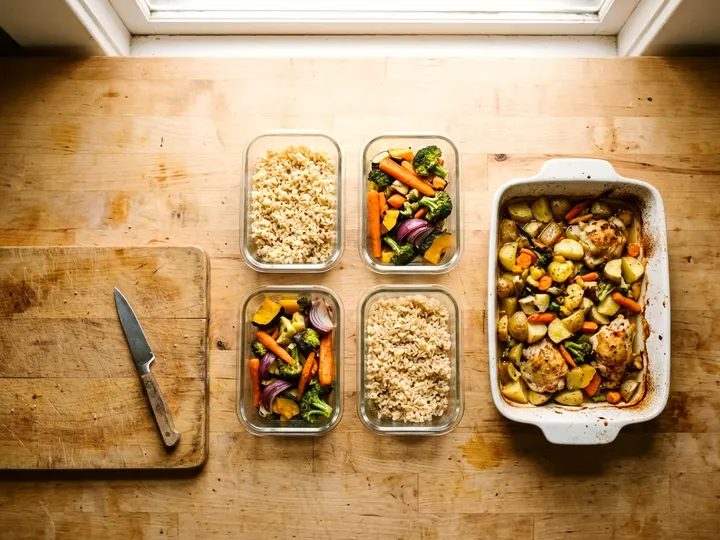
A mixed dinner casserole saves time for adults. It often causes panic for a picky child. You can avoid this stress by cooking large batches of plain components on a Sunday afternoon. When you plan a week of dinners, focus on core proteins and simple carbohydrates.
Start by roasting a sheet pan of plain chicken breast. Keep the seasoning light with just a little salt and olive oil. You can add spicy sauces or rich gravies to your own plate later. The child gets a safe and familiar piece of plain meat.
A reliable weekend prep session focuses on plain staples. You can gather these cooked foods in your fridge to build fast meals all week.
- Plain white rice cooked in chicken broth for extra flavor
- Pasta tossed with a small spoon of olive oil to stop sticking
- Ground beef browned in a skillet with mild salt and garlic powder
- Sweet potatoes baked whole and kept in their skins
- Washed and sliced strawberries stored in a dry glass container
This strategy cuts your kitchen time drastically. The adults and the children eat from the same core group of foods. You just assemble the plates differently to suit each person.
Serve a familiar food right next to a new one
Your child needs to feel safe when they sit down to eat. A plate full of strange textures and smells will make them push the dish away. You can build trust by serving a food your child likes beside one new one.
Fill most of the plate with the safe option. This might be plain macaroni, an applesauce pouch, or familiar dry crackers. The safe food gives your child something to eat. You can then add a very small amount of a new food.
Keep the pressure low at the table. Do not tell your child they have to eat the new vegetable. Just place a single floret of roasted broccoli on the edge of the plate. Let it sit there while the family eats.
A young child learns by watching you eat. Serve yourself a larger portion of the same new food and eat it without making a big production out of it. Your child will slowly realize the food is safe to touch. They might ignore it completely tonight, and that is a normal part of the process.
Offer new items again after a short break
A picky eater will rarely accept a new flavor on the first try. The Centers for Disease Control and Prevention says it may take 8 to 10 exposures before a young child is willing to try a new food.
A food exposure does not always mean swallowing the bite. A child touching a piece of bell pepper is an exposure, and smelling a slice of peach counts too. Sometimes they will put a piece of food in their mouth and immediately spit it out. They are just learning about the texture.
The American Academy of Pediatrics says a child may need many tries, often 10 or more, before accepting a new food, and to wait a week or two before reintroducing one. Do not serve the rejected carrots again the next day. Give the child a rest.
Bring the same vegetable back to the table after ten days. Prepare it a different way if you can. If you boiled the sweet potatoes last time, try roasting them in small cubes with a little butter. Keep the portion tiny, as a single bite feels manageable to a small child.
Cut solid foods small to prevent choking
Your child's safety comes first at the dinner table. The American Academy of Pediatrics says to cut solid foods into pieces small enough to avoid the risk of choking. You can handle this task during your weekend prep time.
Round foods can block a small airway, so cut them into small pieces and ask your pediatrician what size suits your child's age.
Hard foods need special attention, so cook them soft or cut them small for young children, and ask your pediatrician what suits your child's age. Keep pieces of meat tender and cut them into tiny cubes.
Taking care of this prep work in advance saves your nerves on a Wednesday evening. When a hungry toddler is crying at your feet, you do not want to rush with a sharp knife. Having a container of pre-cut fruit in the fridge gives you an instant and secure snack.
Let your kids choose containers and pack the food
Some children refuse food because they want a sense of control. They spend their whole day following rules set by adults. You can ease their frustration by letting them help you pack lunches and sort groceries.
Bring a sturdy stool into the kitchen on prep day. Give a four-year-old a dull plastic knife and let them slice a soft banana. Ask a six-year-old to count out crackers into silicone muffin cups. Children take pride in work they do themselves.
Offer narrow choices to guide them. Do not ask what they want for dinner, because that question is too big for a tired kid. Ask if they want the red apple or the green pear. Ask if they want their cut strawberries in the blue box or the yellow bowl.
This simple involvement builds their confidence around food. Touching raw vegetables and sorting dry pasta helps them get used to different textures. It removes the mystery from the meal and pairs well with small habits that help you manage a busy schedule.
Freeze tiny portions to stop wasting money
Watching your child reject expensive food is deeply frustrating. Watching fresh raspberries turn fuzzy in the fridge hurts the grocery budget. You can protect your wallet by using your freezer.
The Centers for Disease Control and Prevention suggests freezing small bites of foods so less is thrown away. If you open a can of black beans, do not let the leftovers sit in a plastic container until they spoil. Freeze them in small mounds on a baking sheet.
Use an ice cube tray to freeze purees, sauces, and small vegetables like peas. Once the cubes freeze solid, pop them out. Store them together in a large freezer bag. You can pull out exactly one or two cubes for a meal.
Lay small pieces of cooked chicken or turkey on a baking sheet. Put the sheet in the freezer until the pieces are firm to stop the meat from clumping together. Transfer the frozen bites to a sealed bag. You now have instant protein ready to warm up quickly.
Talk to your pediatrician if feeding becomes a struggle
A picky eating phase is a normal part of childhood. Many children grow out of it with time and low-pressure exposure. Sometimes the problem runs deeper than simple preference.
The American Academy of Pediatrics says to talk with your pediatrician if you are concerned about your child's diet. You should make an appointment if you are worried about how few foods your child eats. A doctor can help if you frequently feel ready to lose your temper with your kids over rejected food.
Pay close attention to physical signs. If your child loses weight or stops growing, you need professional guidance. Trouble chewing or frequent gagging can be signs to seek help. Your pediatrician can refer you to a feeding therapist who specializes in helping kids eat safely.
Always handle food allergies directly with your doctor. If you are worried about a possible food allergy, ask your doctor before trying those foods at home. Your doctor will give you a safe plan for introducing common allergens.
More for your crew
Plan a week of family dinners and a grocery list in 30 minutes
7 quiet minutes to read