- FSN Mag
- Everyday Parenting
- Small habits that make you a better parent on a busy day
Small habits that make you a better parent on a busy day
Discover how to be a better parent on a busy week by making small adjustments to your daily routine that keep the peace and build trust at home.
Written for you by Fenna Yoakum
7 quiet minutes to read
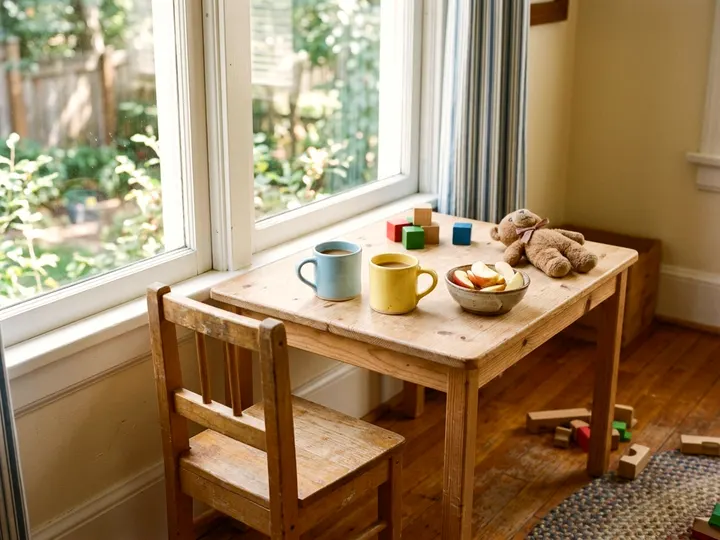
Small daily adjustments show you how to be a better parent on a Tuesday afternoon. Good parenting happens in the simple habits that shape a regular busy week. Consistent boundaries and clear words help a child know exactly what to expect from you.
Set a few rules your child can follow
Kids need to know where the walls are. A boundary only works when a child understands it and you can enforce it every day. The American Academy of Pediatrics advises having clear and consistent rules that children can follow. Start with just two or three basic expectations in the living room.
Rules have to match the child's actual age. A two-year-old cannot remember a long list of chores but can learn that toy blocks go in the blue bin before nap time. An eight-year-old can learn to carry a dinner plate to the kitchen sink after a meal. Keep the rule small so the child succeeds most of the time.
State the rule in the positive. Tell your child what you want them to do rather than what to avoid. Say "walk in the kitchen" instead of shouting not to run, and tell them "hands are for playing gently" instead of yelling at them to stop hitting.
You must follow through every time a rule gets broken. A rule means nothing if it only applies on the weekends, so you have to enforce it even when you are tired. Consistent enforcement helps your child know what to expect. They will test the boundary repeatedly, so let the boundary hold.
Visual reminders help school aged kids stay on track. A small chart on the refrigerator can show a morning checklist of teeth, shoes and backpack. You save your own voice when you point to the paper. You no longer need to repeat the same instruction five times.
Notice good behavior and name it
A quiet house often means a parent can finally wash the dishes or answer an email. We tend to ignore children entirely when they play nicely. The American Academy of Pediatrics says you should be giving plenty of specific attention and praise when a child does well. Your child craves your attention all day long.
Catch them doing something right. Walk into the playroom and tell them exactly what you see. Say "I like how you shared the red crayon with your brother" instead of offering a generic good job. Specific words show you are paying real attention to their choices.
Kids may seek out bad attention if they cannot get good attention. Dropping a cup of water on the floor forces you to look at them immediately. Head off that bad behavior by offering positive eye contact while they are still behaving well. Sit on the floor with them for five minutes and just watch them play.
Physical affection works just as well as words. A high five or a quick hug reinforces the good moment. Ruffling their hair as you walk past the sofa lets them know you see them. These small physical connections fill up a child's emotional cup.
Praise the effort instead of the final result. Notice how hard they worked to put their shoes on the right feet and ignore the messy laces for now. Your child learns to value hard work when you point out their persistence. This builds their confidence for the next time they try a hard task.
Redirect before a bored child gets into trouble
A bored child will eventually find something dangerous or messy to do. You can see the warning signs. Toys get thrown and voices get a little too loud. Step in and change the scenery before a bad mood turns into a broken vase.
Move the activity to a completely different room. Take a frustrated toddler out to the yard. Try out a few backyard obstacle course ideas to burn off that extra energy. Fresh air resets the mood for both of you and breaks the tension in the house.
Keep a few novel items hidden away for difficult afternoons. Pull out a roll of masking tape and let them make roads on the carpet. Hand them a small watering can and ask them to care for the pothos in the hall. A new sensory experience captures their focus.
Sometimes you need a short activity that requires very little setup. Keep a few ten-minute family activities in the back of your mind. You can play a quick game of Simon Says while the pasta boils.
Distraction works well on young kids. Offer two acceptable choices when a child fixates on something they cannot have. Say they can read a book or play with clay. A forced choice gives them back a sense of control without giving in to the bad demand.
Say sorry when you lose your cool and explain what you will do next time
Every parent yells or reacts badly sometimes. A busy Thursday evening with spilled milk and missing homework can break anyone's patience. The way you handle the aftermath matters far more than the mistake itself.
The American Academy of Pediatrics says that if you handle something poorly, you can apologize once you have cooled down and explain how you will handle it next time. Take a deep breath in the kitchen before you go back in to talk. Children learn how to regulate their strong emotions by watching you repair yours.
Sit at their eye level and use plain words. Tell them you were frustrated and you handled it the wrong way. Do not blame your child for your reaction. Take full responsibility for your own raised voice, even if their behavior was poor.
The second part of the apology is the plan. Explain how you will handle it next time by telling your child you will take a deep breath or walk away. You might wonder what to do when you lose your temper. Having a firm plan ready helps you stay calm and proves that adults practice good behavior too.
Give yourself some grace after a bad moment. You are teaching your child that people make mistakes and fix them. A home where apologies happen freely is healthier than a home where everyone pretends to be perfect.
Keep two or three routines and drop the rest
You cannot execute a perfect schedule every single day. Children do well with predictability, but a rigid calendar can wear you out. Choose two specific routines that anchor the day and let the minor details slide.
Morning and bedtime are good places to start. A steady bedtime routine helps a child wind down and gives you the evening back. Brush teeth, read a story and turn off the lights at the same time every single night. That small rhythm tells a child the day is winding down.
Family dinner is another anchor you can protect. The meal does not need to be complicated to be effective, and a simple sheet pan dinner works just fine. Plan a week of meals on Sunday so you avoid the panic on Wednesday. Sitting down together builds a lasting connection.
Drop the guilt over screen time or a messy living room on a particularly hard day. Your child will remember that you sat and watched a movie with them. They will not remember that the laundry sat in a basket. Focus your limited energy on the touchpoints that matter most.
Weekends need down time. Resist the urge to pack Saturdays with endless structured activities. Kids need blank hours to figure out how to play on their own. Boredom encourages creativity, and a blank afternoon gives you a chance to rest on the couch.
Ask your pediatrician when something worries you
Sometimes behavior issues go beyond what a new daily routine can fix. You might feel stuck when the usual advice fails to make a difference at home. Trust your gut if you suspect your child needs more help than you can give.
Your pediatrician is your partner in raising a healthy kid. Book an appointment if temper tantrums seem extreme, involve violence or last a very long time. It is fine to bring up concerns early rather than waiting until things get out of hand.
Prepare for the visit by writing down the facts. Keep a log for one week. Note the time of day a behavior happens, what triggered it and how long it lasted. Specific notes give the doctor a clear picture of what you face at home.
Doctors see many children and know what falls inside typical development. They can reassure you or point you toward occupational therapy and local support groups. You do not have to figure out a tough behavioral phase entirely on your own.
A parent running on empty will struggle to enforce rules or offer praise. Ask for help from your extended family and your doctor so you can keep showing up.
More for your crew
What to do when you are about to lose your temper with your kids
9 quiet minutes to read