- FSN Mag
- Family Meal Plans
- Plan a week of family dinners and a grocery list in 30 minutes
Plan a week of family dinners and a grocery list in 30 minutes
Create a simple weekly dinner plan that saves time and builds a master grocery list you can reuse every time you shop for your family.
Written for you by Forrest Yewell
7 quiet minutes to read

Grab a notebook and set a timer. You can plan a week of dinners and build a master grocery list in one quick sitting. A written menu stops the daily scramble at five o'clock and gets your family fed with far less stress.
Check the fridge and the calendar first
Start with the reality of your coming week. Open your calendar app and find the pressure points. Your eight-year-old might have soccer practice on Tuesday night. A late work meeting might swallow your Thursday evening.
Write the busy nights down first on your blank paper. You need fast meals for those specific days. A slow cooker chili works perfectly on a busy Wednesday. Save the meals that need chopping and standing at the stove for a quiet Saturday or Sunday.
Next, look inside your refrigerator and freezer. Open the crisper drawers to see what is hiding at the bottom. Pull out the vegetables that need to be eaten soon. You might find a bag of spinach or a wrinkled bell pepper.
Check your pantry for half-empty boxes of pasta, jars of marinara sauce or cans of black beans. Building your meals around food you already own can help lower your grocery bill. It also makes the first few decisions for you. If you see ground beef in the freezer and hard taco shells in the cabinet, pencil in a taco night.
Keep the planning grounded in what your family actually eats. A dinner meal plan only helps if it fits the time you have available. You do not want to schedule a complicated beef stew on a night you walk through the door at six.
Give each night a theme
A blank page is hard to fill. Giving each night of the week a theme narrows your choices. It removes the stress of picking a meal out of thin air. You can assign a broad food category to every day of the week.
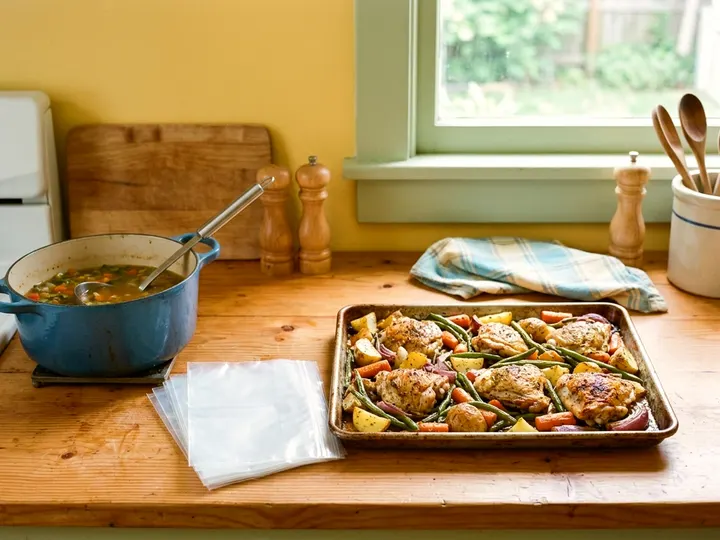
Monday can be a meatless pasta night. Tuesday is an easy choice for tacos, burritos or fajitas. Wednesday might be breakfast for dinner with scrambled eggs, bacon and whole wheat pancakes. Thursday becomes a sheet pan night with roasted chicken thighs, carrots and broccoli, and Friday is homemade pizza night.
Themes give you a firm framework. You still get plenty of variety within that structure. A pasta night might mean spaghetti with meatballs one week and baked ziti the next. Taco night can swap between ground turkey, black beans or shredded pork depending on grocery store sales.
This approach also helps your children. Many kids like knowing what to expect, and a predictable routine can make dinner go smoother. If they know Wednesday is always breakfast for dinner, they have something to look forward to all week.
You can keep the same themes all season long. Switch them up when the weather gets cold and you want warm soups or heavy stews instead of fresh salads. Repeatable patterns like these keep the planning quick.
Choose two new meals and three repeats
Cooking five brand new recipes in one week will exhaust you. New meals take extra mental energy. You have to read the recipe directions multiple times and buy ingredients you do not normally stock in your kitchen. Keep the heavy lifting to an absolute minimum.
Pick three meals your family already knows and loves. These are the dinners you can make without thinking. You probably know exactly how much cheddar cheese to buy for your favorite chicken quesadillas.
You know exactly how long your favorite meatballs take to bake in the oven. Put these reliable winners on your busiest nights. Preparing weeknight dinners is much easier when you rely on your muscle memory.
Then choose two new meals to try. Put these on the nights you have more time and physical energy. A quiet Sunday afternoon is a good time to test a new pork chop recipe. Trying a couple of new ideas keeps dinner interesting for the adults while exposing your kids to different flavors without overwhelming them.
If a new recipe is a hit, it goes onto your master list of repeats for next month. If nobody likes it, you never have to make it again. This balance protects your energy while slowly expanding the food your family will accept.
Leave one night open for leftovers
Your weekly schedule needs a pressure valve. Cooking seven nights a week is rarely sustainable for a busy parent. Designate one night entirely for leftovers. Many families pick Thursday or Friday as their designated clean out night.
A leftover night clears out your refrigerator before you shop for groceries again. You gather all the remaining portions from the week and put them on the kitchen counter. Everyone gets to choose what they want to eat. Your son might eat the last slice of Tuesday's pizza, and you might finish the spicy chili from Monday.
This strategy requires zero cooking and creates barely any dirty dishes. It can save money if you throw away less food at the end of the week. It also gives you a built-in break on a tired evening.
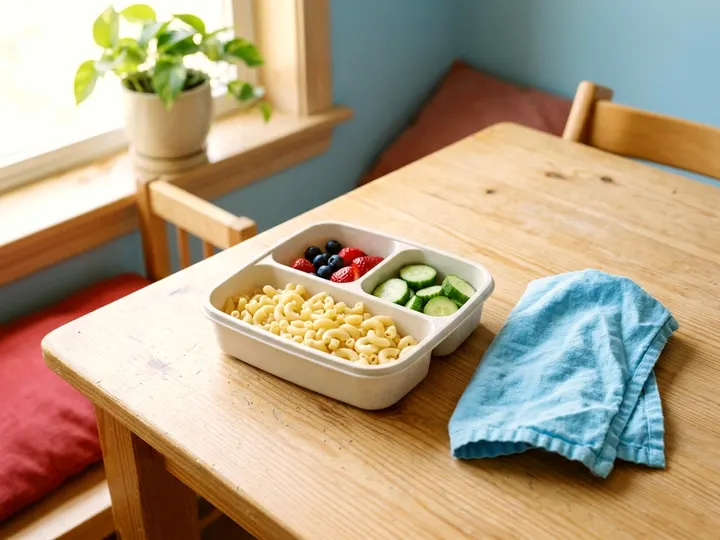
Sometimes you will not have enough leftover portions to feed everyone in the house. Keep a few emergency backups in the pantry for these gaps, like a box of macaroni and cheese or a frozen cheese pizza. You can also repurpose leftover ingredients into something fast. A lone grilled chicken breast easily turns into a quick wrap with some romaine lettuce and ranch dressing.
You can use this open night to catch your breath. After dinner you might even have time for a few short family activities instead of standing at the sink washing heavy pots and pans.
Turn the plan into a master grocery list sorted by store section
Write down your five chosen meals. Now break them down into the exact ingredients you need to buy. This list becomes your paper map for the store.
Do not write a random list of food as it comes into your head. Group the items by the physical layout of your local grocery store.
Sort the list by store section, in the order you walk the store:
- Fresh produce and fruit
- Bakery and deli items
- Meat and seafood
- Dairy and refrigerated foods
- Frozen foods
- Pantry staples and canned goods
Sorting your grocery list saves you from walking back and forth across the giant store. You will not get to the checkout lanes and realize you forgot the fresh cilantro for taco night. You grab everything in the produce section at once and move on to the next aisle.
This organized approach keeps you entirely focused. A focused shopper often spends less. You are less likely to toss random expensive snacks into the cart when you have a clear mission and a fast route.
Save this piece of paper when you get home. You can build a rotating file of three or four weekly lists. After a month you can just grab a previous master grocery list and reuse it.
The meals are planned and the ingredients are sorted, so you copy the list over and head to the store.
Write the plan where everyone sees it
Keep the finished meal plan out in the open. Do not hide it in your phone notes or a closed paper notebook. Write it on a dry-erase board stuck to the refrigerator door. A piece of paper taped to the kitchen cabinet works just as well.
A visible menu stops the most common frustrating question in a family home. Your kids will stop asking what is for dinner. They can just walk into the kitchen and look at the board.
It also keeps you strictly accountable. When you write down that Thursday is chicken soup night, you are more likely to actually make the soup. You will not stare into the cold fridge at half past five waiting for sudden inspiration.
A public list helps other people in the house pitch in with the work. If your partner gets home early, they can look at the board and start washing the russet potatoes. Older kids can grab the right dry ingredients from the pantry shelves. Dinner becomes a shared family project instead of a secret you have to manage entirely alone.
Store cooked leftovers for no more than 3 to 4 days
Managing a dinner plan means handling the leftover food safely. You need to know exactly how long that extra chili can sit in the refrigerator before it goes bad. Purdue Extension says not to keep leftovers in the refrigerator longer than 3 to 4 days and to freeze any you will not eat within that time.
Mark the date on your food containers to track this timeline. A piece of masking tape and a permanent marker make this habit simple. Write the day of the week on the tape before you put the sealed container in the fridge. This stops the dangerous guessing game three days later.
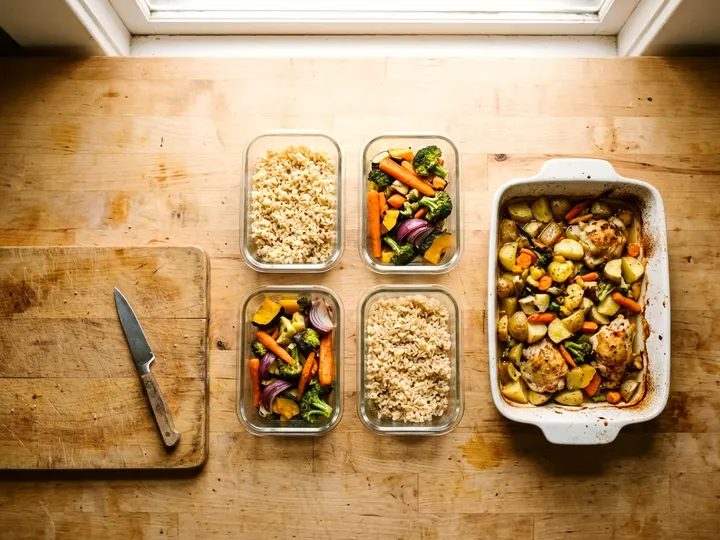
Store your food in clear glass or plastic containers whenever possible. You are far more likely to eat food you can actually see through the side of the bowl. Opaque bowls turn into hidden mysteries pushed to the back of the bottom shelf.
If you make a large batch of chicken soup on Sunday, plan to eat the rest of it by Wednesday. If you know you will not finish it by then, put half of it in the freezer immediately. Frozen leftovers become a gift to yourself on a future busy night when the cooking plan falls apart.