- FSN Mag
- Everyday Parenting
- What to do when you are about to lose your temper with your kids
What to do when you are about to lose your temper with your kids
Finding anger management strategies for parents helps you handle tough moments. Learn how staying calm as a parent protects your kids and your peace of mind.
Written for you by Fenna Yoakum
9 quiet minutes to read
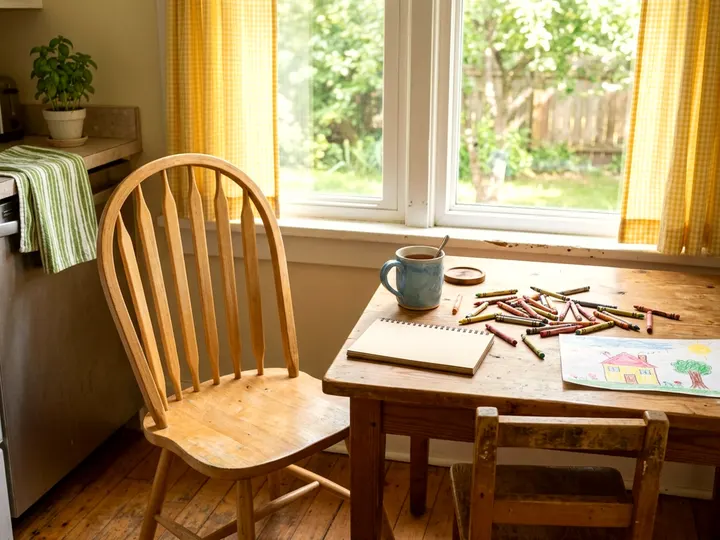
Good anger management strategies for parents start with stepping away from the immediate situation. You can stop a difficult moment from turning into a shouting match by noticing your physical stress. Finding a way to pause helps you handle the conflict with a clear head.
Notice the early signs of anger in your body
Your physical reaction usually starts before you even realize you are angry. A spilled cup of juice or a sudden sibling fight triggers a stress response.
Pay attention to your hands and jaw when a toddler refuses to wear shoes. You might notice you are clenching your teeth or balling your fists. Your shoulders might creep up toward your ears as the frustration grows.
Your breathing often changes when things go wrong during a busy morning. Your breathing may turn short and shallow. You might start speaking louder without meaning to.
Some parents feel a sudden rush of heat in their face or chest. A tightening in your stomach is another early warning sign that your patience is running out. Your heart might start beating fast against your ribs.
Catching these physical signals gives you a chance to pause. You cannot change a child's behavior in that split second. You can change how you respond. Recognizing the heat in your face tells you it is time to stop talking.
Make sure your child is safe, then step away for a few minutes
Safety comes first when you need a moment to yourself. The American Academy of Pediatrics says if you feel you are losing control, make sure your child is safe, then step away for a few minutes to breathe, relax or call someone, and return when calmer.
A baby can go in a crib or a playpen with no loose blankets or toys. Stay close enough to hear your baby and keep the break short. You can close the door and stand in the hall.
Toddlers need a gated room where heavy furniture is attached to the wall. You might leave them in a childproofed living room or their own bedroom for a short time. Remove anything they could climb on or pull down before you walk away.
Older kids can simply sit on the sofa or wait at the kitchen table. Tell them you are feeling frustrated and you are going to take a short break. They are old enough to understand you need a minute to calm down.
Stepping away removes you from the noise and the mess. It gives you a chance to calm down before you respond.
You get a physical barrier between yourself and the conflict.
Do not worry if your toddler cries at the door while you take your break. Keep the break short and return when you feel calmer.
Breathe, call someone or splash cold water on your face
Your goal in the hallway or the bathroom is to lower your heart rate. Slowing your breathing can help you settle. A calm body helps create a calm mind.
Try breathing in slowly and out a little more slowly. Focus entirely on your breath instead of the argument you just had.
Run the bathroom faucet and splash cold water directly on your face. The change in temperature can help interrupt your racing thoughts. Pat your face dry with a clean towel and take another slow breath.
You can also drink a full glass of cold water slowly. Focusing on the physical sensation of the water keeps your mind away from the spilled cereal in the kitchen.
Text or call a friend or your partner if you need a quick distraction. Hearing another adult voice can ground you and put a minor parenting struggle into perspective. Keep the conversation light or tell them exactly why you are hiding in the bathroom.
Keep your hands busy if nervous energy makes it hard to stand still. Fold a towel or wipe down the bathroom sink while you take your deep breaths. Physical movement may help you work off the tension.
Wait until your chest stops feeling tight before you open the door. A few minutes is usually enough time to let the worst of the anger pass.
Come back to the room and reconnect
Return to your child with a calm voice and a relaxed posture. Getting down on their eye level shows you are ready to help rather than ready to yell. Sit on the rug or pull up a chair next to them.
Your child might be upset or anxious after you walked away. Offer a hug or a gentle hand on their shoulder to show them the relationship is safe. Physical touch bridges the gap caused by the sudden separation.
Focus on the connection before you address the spilled milk or the broken crayon. Staying calm as a parent requires you to fix the emotional break first. You can tackle the mess once everyone is breathing normally.
Speak softly and keep your words simple. A toddler only needs to hear that you are back and you are ready to clean up together. Hand them a sponge and guide their hand over the spill.
Older kids might need a moment to transition back into the routine. Ask them to hand you a paper towel or help you gather the scattered blocks. Doing a physical task together gives you both something else to look at.
Working on a small task together rebuilds trust. It shifts the attention away from the conflict and toward a shared goal. You can quietly praise them for helping you fix the problem.
Do not lecture or bring up the earlier misbehavior right away. The middle of a stressful afternoon is a poor time for a long lesson on following rules. Save the bigger conversations for a quiet morning on the weekend.
Apologize and say what you will do next time
Kids can learn how to handle big feelings by watching you handle yours. Saying you are sorry shows them that everyone makes mistakes and adults have to take responsibility too. It can make big emotions feel less shameful.
Name what you did wrong without blaming your reaction on their behavior. Say you are sorry for yelling or for snapping, rather than saying they made you yell. Keep the focus entirely on your own actions.
Keep your apology brief and focused on the facts. A simple statement works better than a long explanation about how tired you are. Your child just needs to know you recognize you were too loud.
Tell your child exactly what you plan to do differently next time. You might say you will take a deep breath or ask for a break before getting mad. Giving them a plan helps them feel secure.
Owning a mistake is one of the small daily habits that make you a better parent on a busy day. Practicing this kind of honesty builds trust over time.
Let your child accept the apology and then move on with your afternoon. Dwelling on the mistake keeps the tension alive in the house. Suggest going outside to the backyard or starting a new game together.
Forgive yourself for losing your patience.
Raising kids is difficult and no parent stays completely calm through every single disagreement. Tomorrow is a fresh start for both you and your child.
Plan a different routine for your hardest time of day
Anger often spikes when you are rushing through a tight schedule or trying to do too much. Pinpoint the exact hour when you usually lose your temper. Write down what is happening around you during those moments.
The time right before dinner is a common breaking point for families. Kids are tired from school and you are trying to chop vegetables while answering homework questions.
Move demanding tasks away from this busy window. A simple meal prep plan helps you avoid cooking from scratch on a busy evening. Reheating a dish you made on Sunday keeps you out of the kitchen stress.
Set up a quiet activity for your kids before the hard hour begins. A bin of building blocks or an audiobook keeps them occupied while you finish your tasks. Put out crayons and plain paper at the kitchen table so they stay seated.
Lower your expectations for how much you can achieve on a regular Tuesday night. A simple sheet pan dinner is perfectly fine if it keeps the peace in the house. Serving sandwiches for dinner is better than fighting over a hot stove.
Look at your morning routine if getting out the door causes daily shouting. Pack backpacks and lay out clothes the night before so you have fewer decisions at dawn. Leave the shoes right by the front door.
Build a buffer of ten extra minutes into your schedule. Leaving early reduces the panic you feel when a toddler refuses to get into their car seat. Extra time gives you the space to stay calm.
Call or text for help if anger feels out of control
Sometimes stepping away and taking deep breaths is not enough to stop a frightening reaction. You need to reach out to someone else if you feel you might hurt your child or yourself. It takes courage to admit you need immediate help.
The 988 Suicide and Crisis Lifeline can be reached by calling or texting 988 at any hour. The service is free and confidential. It provides a direct line to someone who knows how to listen.
The 988 Suicide and Crisis Lifeline is open to anyone dealing with mental health struggles or emotional distress. If anger leaves you feeling overwhelmed, it is okay to reach out.
A skilled, judgment-free counselor can answer your call or text and talk with you.
Call 911 immediately if you or someone else is in danger. Emergency responders can step in to keep your family safe when things escalate beyond your control.
Keep your phone charged and easily accessible on the kitchen counter or living room table. Knowing who to call ahead of time helps in a crisis.
Ask your pediatrician about support for you and your child
Your child's doctor is a valuable resource when daily conflicts become too much to manage on your own. Pediatricians often talk with families about behavior struggles and parental stress.
Schedule an appointment specifically to discuss your child's behavior and your own frustration. A dedicated visit gives you time to talk without the distraction of a regular checkup. You can bring notes about the hardest parts of your week.
Be honest about how often you lose your temper and what happens when you do. The doctor needs an accurate picture to suggest the right kind of help. They hear similar stories from other parents frequently.
The pediatrician might suggest reading about how gentle parenting works and where it gets hard. They can explain age-appropriate behavior so you know what is normal for a three-year-old. Sometimes just knowing a behavior is normal makes it easier to tolerate.
They may also connect you with local support groups or refer you to a family counselor. Working with a professional gives you a safe space to practice new communication skills.
Your pediatrician can talk through what might be behind your child's behavior and what support could help.
Asking for help is a practical step toward a calmer home.
More for your crew
How to run a spirit wear order for your kid's team or club
7 quiet minutes to read

How to plan a family outing that does not end in meltdowns
7 quiet minutes to read