- FSN Mag
- Kids Bedrooms
- When to move your kid to a twin bed and which size to buy
When to move your kid to a twin bed and which size to buy
Move your child to a kids twin bed when they run out of space to stretch. Compare twin, twin XL, and full sizes to find the best fit for your home.
Written for you by Yvonne Fairbanks
9 quiet minutes to read
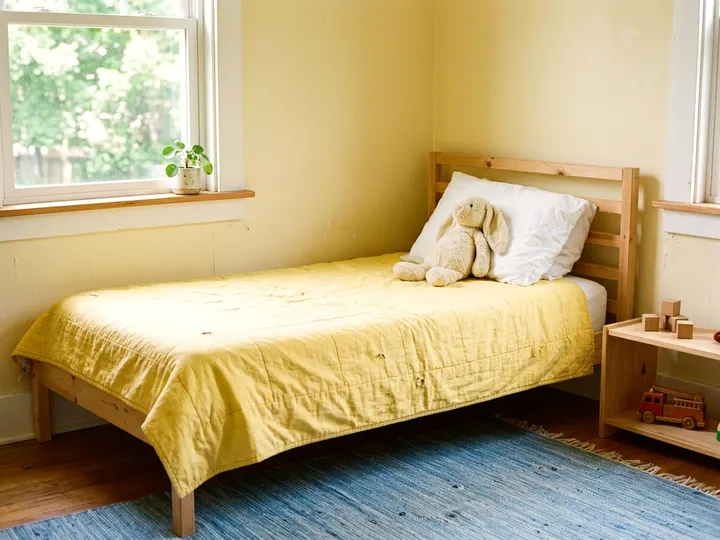
Move your child to a kids twin bed when they bump their head against the headboard of their toddler bed or ask for more space to stretch. A standard twin mattress gives them plenty of room to grow through elementary school. A twin XL or full size offers extra length and width for a teenager.
Signs your child has outgrown the toddler bed
Many kids start feeling cramped in a small bed during early elementary school. Watch how they sleep to see if their feet dangle off the end. A child who constantly bumps their knees against the side rail is running out of room. A larger mattress can help a restless sleeper settle down.
Sometimes a child just asks for a bigger bed to match an older sibling. A cramped bed makes it hard to roll over comfortably, which can lead to frequent night waking. A tired kid is a cranky kid. Once the small bed starts disrupting their rest, you need an upgrade.
Look at their morning mood. If they wake up tangled in their blankets and upset, the small space might be the culprit. A growing child gets heavier and needs better support than a thin toddler mattress provides. When the mattress sinks under their weight, the bed is no longer doing its job.
Notice how they sleep during a daytime nap. A child might sleep fine at night but toss and turn during the day. If they start refusing naps in their old bed but fall asleep on the family couch, they might just want space to stretch out.
Pay attention to their physical development. After a growth spurt, a bed that felt cozy can suddenly feel tight. If they complain about hitting their elbows when they turn over, listen to them.
Notice how they use the bed during the day. A toddler bed is just for sleeping, but an older child wants a spot to read books and play with stuffed animals. A larger bed acts as a quiet space for them to retreat. If they look too big sitting up in their current bed, they are ready for the next size.
Twin or twin XL or full for a growing kid
Choosing the right mattress size shapes how you use the bedroom for years. You have three main options.
A standard twin mattress fits in most children's rooms, leaving floor space open for toy bins and building blocks. You can find standard twin sheets in every color and pattern. Small kids' bedroom ideas often rely on this size to keep the layout open in a small home. The mattress is also easy to lift when you change the sheets.
A twin XL adds extra length for a child you expect to grow tall quickly. This helps keep their feet from hanging off the edge in middle school, though it takes away floor space along one wall. The trade-off is finding fitted sheets. Twin XL sheets are common for college dorms but much harder to find in fun childhood prints.
A full mattress takes up a large amount of floor space but offers more width. The wider mattress gives a restless sleeper room to roll and gives you plenty of space for bedtime stories. If the bedroom is large, a full mattress will last them until they leave home. Sheets are very easy to find.
Mattress size | Main advantage | Sheet availability |
|---|---|---|
Standard twin | Saves floor space for playing | Very easy to find everywhere |
Twin XL | Extra length for tall kids | Hard to find fun patterns |
Full | Wide space for reading together | Very easy to find everywhere |
You will also need to pick a mattress material. Foam mattresses ship in a box and stop motion transfer, but solid foam can trap body heat. If your child wakes up sweaty, an innerspring mattress may be a better pick because it can allow more airflow. A hybrid mattress mixes springs and foam for support and cool sleep.
A waterproof mattress protector is a smart purchase for any size. Accidents happen long past the toddler years. A sick child will spill juice or get an upset stomach. A good protector helps shield the mattress from stains.
Pick a frame that handles years of jumping
Children treat their beds like trampolines. Look for a solid wood or heavy metal frame. Flimsy particle board can crack under the repeated impact of jumping knees. You want thick side rails and strong joints.
Hardwoods like oak and maple cost more but survive rough play, while softer pine shows dents when toys crash into it. A metal frame resists dents well. Some metal frames squeak when a restless child tosses and turns. Tighten the bolts well to keep the noise down.
Check the slats under the mattress. A good frame uses thick wooden slats spaced close together. Thin slats bow and snap when a child bounces on the mattress. Solid metal slats also work well.
Consider the height of the frame, as a low profile helps a younger child climb in and out safely. Platform beds sit close to the floor and skip the box spring. If you want drawers underneath, make sure the track hardware is heavy metal. Cheap plastic wheels can break fast.
Upholstered headboards look soft but attract dirt. Sticky fingers leave marks on fabric. A solid wood or metal headboard is much easier to wipe clean with a damp cloth.
Put thick felt pads under the bed legs. Kids push their beds around when they play. Felt pads stop the wooden legs from scratching your floor.
Look for finishes painted with low-VOC paint. New furniture sometimes smells harsh for the first few days. Open the bedroom windows to let fresh air circulate before your child sleeps there.
Tall frames need careful thought. If you think about bunking later, check bunk bed safety features before buying a convertible set. Any tall furniture must attach securely to the wall. Follow the maker's instructions and use the anchoring hardware it calls for to anchor the bedroom furniture to the studs.
Place the bed away from windows and cords
Put the new bed against a solid interior wall. A child can easily climb from the mattress to a window ledge, so keep the frame far away from glass and screens. A screen may not hold a child's weight, so check window safety with the product label or a licensed pro. A fall from a window is a serious danger.
Look out for blind cords and curtain strings. Long cords can pose a strangulation risk. Keep the bed entirely out of reach of any window treatments. Replace corded blinds with cordless shades if you can.
Avoid placing the headboard right next to a radiator or a floor vent. Drafts make sleeping uncomfortable. Hot radiators are a burn hazard.
A spot across the room from the door gives them a clear view of the hallway. Leave a clear path from the bed to the door. A child waking up in the dark needs an easy walk to the bathroom.
Leave enough room for closet doors to swing open completely. A bed pushed too close to a closet creates a frustrating bottleneck. You want your child to reach their clothes easily.
Think about what hangs above the bed. Heavy pictures in glass frames can fall during an earthquake or rough play. Hang soft canvas art or lightweight posters instead. Keep shelves away from the area directly over their pillows.
Consider adding a small nightstand. A toddler bed rarely needs one. A twin bed gives them a place to keep a glass of water and a reading lamp. Pick a heavy nightstand that will not tip over if they pull on it.
Make the first week in the new bed easier
Moving to a big bed feels intimidating to a small child. Keep their bedtime routine exactly the same. Read the familiar books and sing the usual songs. A predictable evening can calm a nervous child.
Talk about the new bed a few days before you set it up. Explain that they are growing and need more room. Let them help you wash the new sheets and arrange the pillows. Giving them a job can make the change feel exciting rather than scary.
Use their favorite blankets from the old bed for the first few nights. The familiar smell and texture provide comfort in a strange new space. Let them pick out a new stuffed animal or a fresh set of sheets just for the occasion.
Consider a removable guardrail made for your bed frame, and check the label for fit. A standard twin feels vast after a small bed, and a rail can help keep them from rolling out. It gives them a physical boundary to snuggle against. You can take the rail down a few months later when they stop falling out.
Let them practice resting in the new bed during the day. Read a book together on the mattress on a Saturday afternoon. Familiarity during daylight hours makes the dark less scary.
Expect a few night wakings. A child might wander into your room because they suddenly have the freedom to get up easily. Walk them calmly back to their own room, tuck them in, and remind them to stay put. Consistency helps them settle in.
If they keep getting out of bed, check their pajamas. A larger bed might feel colder than a small crib. They might need thicker pajamas until they get used to pulling up the heavy covers.
A small nightlight helps them adjust to the new view. The shadows look different from a different spot in the room. Keep the hallway door cracked open if they prefer to hear house noises.
Plan for guests and sleepovers on the same bed
A twin bed often doubles as guest seating. A trundle bed slides out from under the main frame and holds a second thin mattress for sleepovers. Trundles save floor space during the day. They require an empty area to roll out at night.
Make sure the floor is hard or has low carpet, as a heavy trundle gets stuck on thick rugs. The trundle mattress is usually thinner than a standard one. It works well for a visiting child but might leave an adult with a sore back. Keep heavy toys out of the space where the trundle rolls.
Daybeds offer a couch shape with a backboard and two high sides. Throw some large pillows along the back to make the bed a comfortable spot for friends to sit and talk. Daybeds usually fit a standard twin mattress. They work well in a shared playroom and bedroom space.
If cousins visit often, a standard twin handles the extra traffic well. You can push a folded blanket or a sleeping bag on the floor right next to it. Keep spare sheets in a drawer nearby.
A bed with built-in storage underneath gives you a spot to hide extra blankets. Drawers slide out on tracks and keep dust away from guest pillows. This leaves the closet free for their clothes and shoes.
Think about the long term. A solid twin bed survives sleepovers through high school. A good mattress now may save you from buying another when they are a teenager.
If siblings share a room, matching twin beds look tidy. Two single beds give each child their own distinct space. They can pick their own sheets while the room stays tidy.