- FSN Mag
- Kids Bedrooms
- 7 playroom ideas on a budget that grow with your kids
7 playroom ideas on a budget that grow with your kids
Find seven practical ideas for playrooms on a budget that give toddlers and grade schoolers a space to play without spending a fortune.
Written for you by Yvonne Fairbanks
6 quiet minutes to read
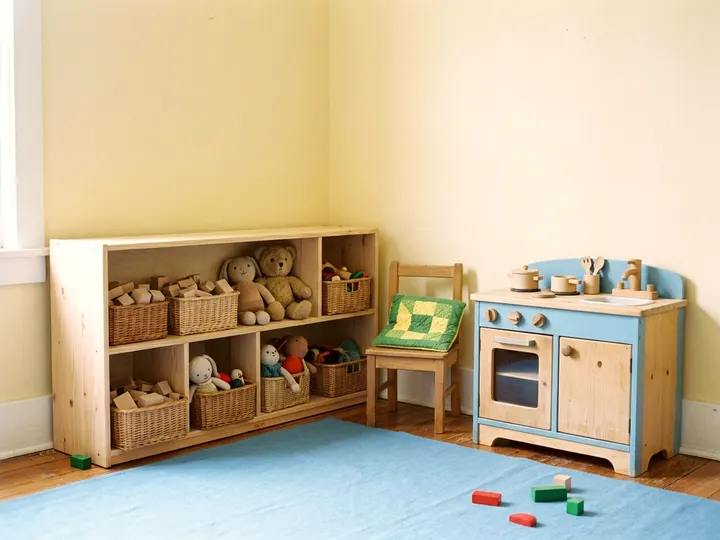
Creating a dedicated space for kids to play does not require a contractor or a massive shopping trip. You can find good ideas for playrooms on a budget just by looking at what you already own. A simple corner with a few smart storage choices gives toddlers and grade schoolers a place to play.
1. Pick the room or corner and clear it first
Start by deciding exactly where the play space will live. A spare bedroom or an empty dining room corner works well. The trick is to define the boundary. You want to stop toys from spilling into the rest of the house.
Clear that area completely before you bring a single toy inside by moving out the old armchair and vacuuming the bare floor. A blank slate shows you exactly how much room you have to fit a low table or a row of bins. Children need empty floor space to spread out a puzzle or build a block tower.
If you are setting this up in a shared area, keeping the floor clear becomes even more useful. You can find clever bedroom layouts to help plan the space.
2. Open shelves and bins you already own
Look around your house for furniture you can empty and reuse, like a short guest room bookcase or an old TV stand. Open shelves allow kids to see their choices at a glance. They can grab what they want without asking for help.
Gather any baskets, shoeboxes or plastic food containers you have sitting empty to group similar items. Put all the wooden train tracks in one laundry basket and keep the plastic animals in a clear shoebox. You do not need matching wicker baskets to make the room look tidy.
Make sure any tall or heavy shelves are attached to the wall. You can read about anchoring heavy furniture for the right hardware to use. Heavy furniture can tip if a child climbs on it to reach a toy.
3. Zones for art, building and quiet play
Divide the space into small sections for different types of activities. Put the crayons, blank paper and play dough near a table or a hard floor surface. This setup makes the inevitable mess much easier to wipe up with a damp cloth.
Set up a building zone on a flat section of rug. Store the building blocks and magnetic tiles right next to this open floor space. Kids need room to spread these pieces out. If the bins are close to the building spot, cleanup goes faster at the end of the afternoon.
Create a quiet corner for reading and resting. Toss a few old throw pillows on the floor next to a basket of books. A folded quilt works perfectly too. A cozy spot encourages a child to sit down and flip through a story.
4. A washable rug and a low table
A good rug anchors the play space and protects your floors from dropped toys. Look for a machine washable rug or a cheap indoor outdoor option at a local home goods store. Spills happen often, so a rug you can wash saves you time and stress. Foam floor tiles also work well and cost very little.
Add a low table to give kids a surface of their own. A used coffee table from a thrift store costs very little. It is exactly the right height for toddlers and young kids. Just check the edges for sharp corners and sand down any rough spots on the wood.
A dedicated table saves your kitchen table from glue spills and marker stains. Kids can leave a clay project out overnight without interrupting family meals.
5. Store small pieces out of reach of children under 3
Small pieces need a plan when older and younger siblings share a playroom. The US Consumer Product Safety Commission bans children's products intended for children under 3 that present a choking hazard from small parts. A small part fits entirely into the small parts cylinder, which approximates the size of the fully expanded throat of a child under 3.
Keep small items like board game tokens and marbles in latching plastic boxes. Place these boxes on high shelves where toddlers cannot reach them. Grade schoolers can ask you to get the boxes down when the baby is napping.
Train your older kids to play with their small toys at the kitchen counter. The dining table is another good option. You want the main playroom to be a space where a two-year-old can crawl around safely.
6. Rotate toys so the room stays calm
Too many toys in one room can feel overwhelming for kids and parents. When a child sees a mountain of clutter, they often dump out bins and walk away without actually playing. Pick out half of the toys and put them in a closet or the basement. Less visual noise helps children focus on the activity in front of them.
Swap the hidden toys with the ones in the playroom every three or four weeks. A toy they ignored all month suddenly feels fresh and exciting again. You get the benefit of new toys without spending a single dollar.
This habit also makes cleaning up much faster. A room with fewer items takes only five minutes to reset before bedtime. You can easily spot broken toys or missing pieces when the shelves are half empty.
7. Let the room change as the kids grow
A good playroom adapts to your children as they get older. Toddlers need open floor space for pushing large toy trucks and stacking soft blocks. They do best with large baskets they can easily reach into without pinching their fingers.
As those toddlers become grade schoolers, their interests shrink in size but grow in complexity. They need more table space for drawing detailed pictures and building intricate block sets. You might replace the large floor baskets with smaller, stacked drawer units. These drawers easily organize colored pencils and craft supplies.
Keep your furniture simple and neutral so you do not have to buy new pieces. A plain white bookcase holds picture books just as well as middle school chapter books. You can plan for family time as they age by exploring ideas for game night.
How to manage a shared play area
When a playroom shares square footage with a home office, you have to set physical boundaries. Use the back of a sofa or a low bookshelf to create a visual wall. This barrier separates the adult space from the kid space. It stops toys from creeping into your work area.
Pack away the most distracting toys if the room serves multiple purposes. Electronic toys that play loud music belong in a closed bin or a different room. Stick to quiet items like books, wooden blocks and puzzles in shared areas. You can still read or work nearby while they play.
Keep an empty laundry basket in the corner of the room. Sweeping all the loose toys into the basket takes just a minute. You can carry it to a bedroom when unexpected guests arrive. Sort everything back into the right bins later when you have the energy.
Simple ways to display kids art
Blank walls offer free space to make the room feel bright and playful. You do not need expensive wooden frames to hang up their finger paintings. A piece of string and some wooden clothespins work perfectly.
Tack the string across a bare wall and clip the artwork to it. This method lets you swap out the pictures every week. You never have to pull out a hammer and nails. Kids love seeing their newest creations up on the wall right away.
If you have a narrow slice of wall space, try using a few clipboards. Hang three or four plain wooden clipboards in a vertical line. Snap a fresh drawing into each one. It looks organized and turns a plain corner into an art gallery for very little money.