- FSN Mag
- Together at Home
- 8 ten minute family activities for a busy school night
8 ten minute family activities for a busy school night
Find bonding activities for families that take just ten minutes on a busy school night, using simple items you already have around the house.
Written for you by Fenna Yoakum
7 quiet minutes to read

You can fit bonding activities for families into a regular Tuesday evening without clearing your schedule. Ten minutes of full attention right before homework or bed can give kids a real sense of connection. These short ideas work for toddlers up to teenagers with what is already in the room.
1. Pick a single ten-minute slot and protect it
Choose a specific gap in your evening routine and treat it like an appointment. You might pick the window right after dinner is cleared or the quiet block before teeth brushing. Doing this at the same point each evening builds a reliable habit. Kids learn to expect that focused time with you.
Turning off the television and walking away from a sink full of dishes might feel wrong when you have a lot to do. Leave your phone in another room and ignore the mess for just ten minutes. This boundary makes a small window feel substantial to a child. A short stretch of full attention can mean more to a child than a long stretch of distracted time.
Consistency matters more than the exact time you choose. A teenager might want to talk right before bed. A kindergartner often wants connection right after walking through the front door. Match the slot to the ages of your children.
2. Start a drawing or paper airplane contest
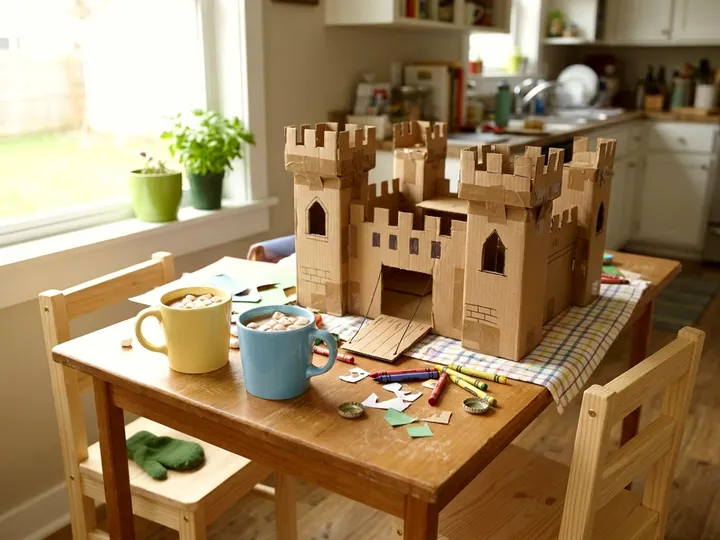
Put a single large sheet of paper and a few crayons in the center of the table. Sit down with your kids and start drawing something simple like a house or a dog. They will usually join in without you having to ask them. Drawing together on one page means sharing space and ideas.
You can also hand out scratch paper and fold paper airplanes. See whose plane flies the furthest across the kitchen. A preschooler might just crumple the paper and throw it, while an older child can test different wing shapes. Throwing paper inside the house feels mildly rebellious and fun because kids love breaking a minor rule.
Physical objects take the pressure off a conversation. Some children talk more freely when their hands are busy. You get the same connection as a direct chat without the tension of sitting face to face. A shared task opens up space for casual talking, and they will tell you about their day while folding a wing.
3. Play a question game at the dinner table
Ask one specific question while everyone is eating. Avoid asking how school was, since that usually gets a one word answer from a tired child. Ask what superpower they would choose or what animal they would want to be. You want a topic that has no right answer.
Answer the question yourself first. This models how to think about the idea and shows you are playing along. Even a sullen middle schooler will usually correct a ridiculous answer. Tell them you would want to be a worm and make your answer as silly as possible.
Keep the rules loose, letting the conversation drift if it naturally moves to a different topic. The goal is connection, not finishing a formal game. Save a structured family game night for the weekend when you have more time. A school night needs a faster pace.
4. Take a dance or music break in the living room
Put on one upbeat song and move the coffee table out of the way. Let a different person pick the song each night. Ten minutes gives you time for two or three tracks. This burns off nervous energy before bedtime.
Toddlers will just spin in circles. Older kids might show you a dance they learned from their friends. You just have to move to the music and look foolish. Acting silly removes the strict parent dynamic for a few minutes and resets a grumpy mood.
You can also just lie on the rug and listen to something calm. A slow song can help a sensitive child decompress after a loud day at school. Watch their mood and pick the tempo they need that evening.
5. Make a simple snack without following a recipe
Assemble a plate of food using ingredients that need no cooking or measuring. Pull out crackers, cheese slices, and sliced fruit. Hand a butter knife to your school-age child and let them cut the cheese while you stay close, and toddlers can arrange the crackers on a plate. Giving a child a real tool builds their confidence and makes them feel like part of the process.
This is not a baking project. You want something you can finish eating before the ten minutes run out. Washing apples or spreading cream cheese on celery works perfectly. The value is in the shared physical task, which takes the focus away from behavior and places it on the food.
Working side by side builds teamwork, and eating the result gives immediate satisfaction. You can sit on the kitchen floor to eat it if you want to break the normal rules. It makes a regular Tuesday feel distinct.
6. Go for a short walk or start a flashlight hunt
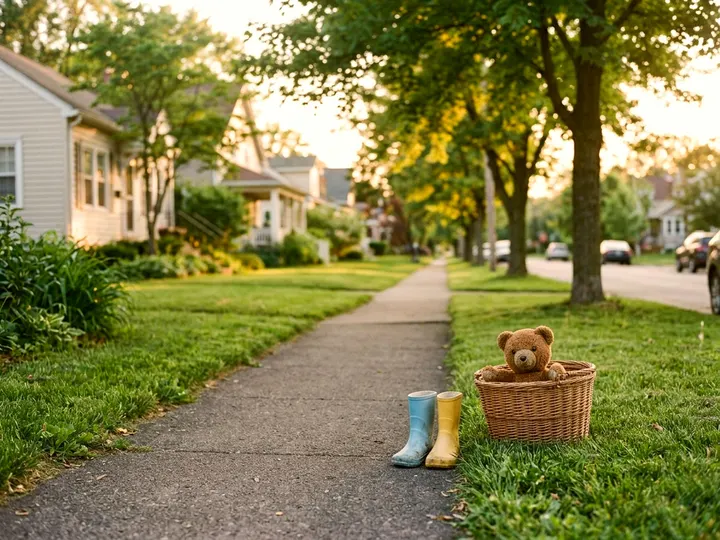
Step out the front door and walk down the street and back, keeping little ones close near the road. Fresh air can lift a bad mood. A short walk gets everyone out of the house without requiring coats or packed bags on a mild evening, so just step outside in whatever you are wearing. The change of scenery can help stop an argument.
If it is dark and cold outside, turn off the lights inside and hand out flashlights. Ask your kids to find three red objects in the living room. Shining a light around a familiar room makes the house feel entirely different. It turns the home into a playground, and a dark hallway becomes an adventure.
A scavenger hunt works for a teenager just as well as a toddler. You can hide a specific object and time how fast they find it. This physical activity resets the evening if everyone is arguing. Moving around breaks the tension in the room.
7. Read a book aloud or tell a story in the dark
Sit on the floor of a child's bedroom and tell a story from your own childhood. Kids love hearing about a time you made a mistake or got in trouble. Real stories require no books and hold a child's attention tightly. They humanize you to your children, as a story about you dropping a cake shows them that adults mess up too.
You can also read one chapter of a book aloud. Do this for older kids too, long after they learn to read themselves. Listening to someone read is relaxing because it removes the effort of decoding words and lets a child just enjoy the narrative. A long book gives you a shared world to visit every night.
Turn off the main overhead light and use a small lamp. A dimmer room signals that the busy part of the day is over. Getting this environment right creates small daily habits that help everyone wind down. Lower lights naturally lower the volume of their voices.
8. Keep the routine going when the week gets messy
Do your ten minutes even when the house is chaotic and everyone is running late. A very short activity stops you from skipping the connection entirely. You might only have time to sit on the edge of a bed and talk. Keep the appointment.
Forgive yourself if an activity falls flat. Sometimes a child will refuse to draw or complain about the music. Just sit with them quietly instead. Showing up consistently matters more than having a perfect interaction, and every night will not be a success.
If you feel your patience wearing thin, stick to the lowest effort idea. A flashlight hunt takes almost no mental energy. Knowing how to handle your own frustration starts with keeping your expectations realistic.
Match the activity to the energy level
Look at how your kids act when they walk through the door. High energy means they need to dance or walk outside. If they are quiet or tired, start drawing or telling a story. Match the activity to the mood they already have.
Do not ask them what they want to do. Giving a tired child open choices creates frustration. Pick the activity yourself and invite them to join.
Switch between loud and quiet activities as the week progresses. A Tuesday might need a fast walk outside, while a Thursday usually requires a calm story in the dark. Keep these simple options ready to go.