- FSN Mag
- Everyday Parenting
- How to plan a family outing that does not end in meltdowns
How to plan a family outing that does not end in meltdowns
Plan a successful family outing by leaving before everyone is tired and packing the right snacks. Match the pace to your youngest child.
Written for you by Fenna Yoakum
7 quiet minutes to read
A successful family outing relies on leaving the house before everyone is tired and packing exactly what you need to keep moods stable. Match the destination to your youngest child, pack filling snacks, and head home the minute the fun stops.
Base the destination on your youngest child
A teenager wants to stay out all day, but a baby needs a crib by noon. Planning a family outing requires compromise. You must build the entire trip around the child with the shortest legs. Their small tank of energy dictates the schedule.
Older kids can slow their pace, but a toddler cannot force themselves to walk faster or stay awake longer. A long walk will exhaust a preschooler before you even reach the main event. Pick places with resting spots. Find a patch of grass where a crawling baby can stretch out.
A family outing does not require a massive theme park or a sprawling downtown museum. Huge venues bring traffic headaches and thick crowds. Simple locations allow kids to set their own pace and stop to look at a bug without holding up an impatient line. You can sit on a bench and drink your coffee while they explore.
Older siblings might complain if the destination feels too young. Give them a job to do, like reading the map or taking photos, to stop them from complaining about the slow pace. Forcing a small child to keep up with older kids ends in tears.
Time the trip around naps and meals
Clock time means nothing to a tired child. Hunger and sleep drive their moods. Ignoring a feeding time to squeeze in one more activity is a mistake. You will pay for it on the car ride home.
Feed everyone a real meal right before you leave the house. A full stomach buys you some goodwill. Do not rely on buying food at the destination. Long lines can ruin the timeline.
If your toddler takes an afternoon nap, plan a morning trip. Leave the house early and get back right as their eyes get heavy. Pushing a nap an hour late often invites a meltdown.
Some parents try to stretch the day into the late afternoon, but tired kids and fading light often start fights. Quit while you are ahead. An outing that ends right before lunch leaves everyone feeling good. It is an easy way to figure out where to find family time without ruining the weekend.
Pack a small kit that solves sudden problems
Limit what you carry to a comfortable backpack. Heavy tote bags hurt your shoulders and make you cranky. When your hands are full of bags, you cannot hold a toddler back from a busy road.
Pack a fresh water bottle for every person. Thirst can make children cranky. When a kid complains that their legs hurt, they may just be thirsty.
Fill the bag with specific items to fix immediate problems.
- Wet wipes to clean sticky hands and wipe down dirty tables before you sit.
- High protein snacks like cheese sticks or other snacks that suit your child's age to stop a sudden mood crash.
- A dry shirt for every kid in case of juice spills or sweat.
- A small plastic bag to hold wet clothes, dirty diapers, or trash.
- Basic first aid supplies like bandages and ointment for scraped knees.
- A fully charged phone to check maps or call your partner if you separate.
- A lightweight blanket to spread on the grass for resting.
Weather changes quickly. A chilly morning turns into a hot afternoon, and kids complain non-stop if they get uncomfortable. Start with a light base layer under a sweater or fleece jacket. As the day warms up, peel the layers off and stuff them into your backpack.
Leave the bulky toys at home. A child in a new place does not need building blocks or dolls. The environment provides the entertainment.
Set expectations with the kids before you leave
Transitions cause a lot of stress for children. They want to know what happens next. Tell them exactly how the trip will go before you leave your driveway.
Explain where you are going, what you will see, and when you will leave. Give them landmarks they can understand. Tell them you will go home after you eat the sandwiches, or after you see the ducks.
Set clear rules about spending money. If you plan to buy ice cream, tell them early. If you will not buy any toys from the gift shop, tell them early. Knowing the rules stops the begging before it starts.
A child might ask for things you already ruled out. Calmly remind them of the conversation you had in the car. You do not need to argue since you already set the boundary. This is how gentle parenting looks in practice.
Manage the walk and the bathroom breaks
The hardest part of a family outing often happens before you even reach the front gate. Walking from a massive parking lot to the main attraction drains a child's energy fast. Park as close as you can, even if it costs more. Saving money on parking is not worth carrying a tired preschooler back to the car.
Keep the kids contained while cars move around you by putting babies in the stroller immediately. Make older kids hold the stroller frame or your hand, and do not let them run ahead. If the walk is long, make it a game. Keeping their minds busy stops them from complaining about the distance.
Finding a clean bathroom takes time, so you cannot wait until a child says they have to go. By the time they admit it, you only have a few minutes to find a toilet. Force a bathroom trip the moment you arrive. Make everyone try, and do it again right before you eat.
If you have a baby, pack a portable changing pad. Public changing tables can be dirty or broken. Sometimes you have to change a diaper on a park bench or in the back of your car. Carry extra plastic bags to seal up dirty diapers when you cannot find a trash can.
Prepare the car for the drive home
The family outing does not end until you walk back through your own front door. The drive home often ruins a perfectly good morning. Kids fall asleep in their car seats and wake up angry.
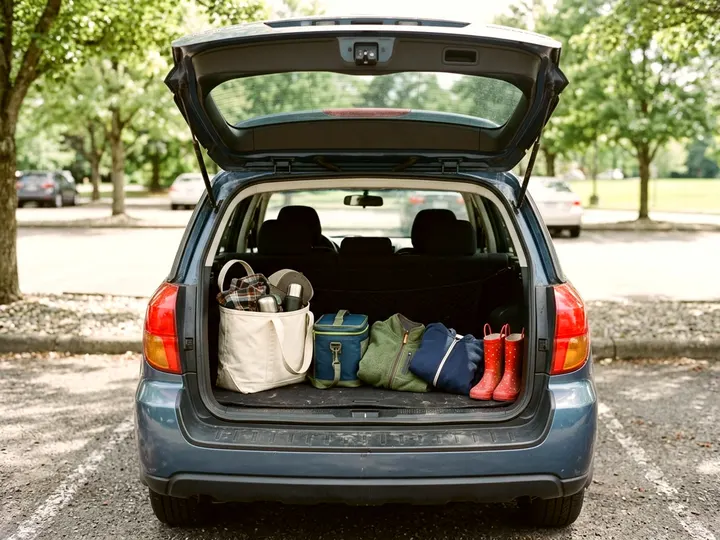
Leave a small cooler in the trunk with cold drinks and a simple snack. When you get back to the parking lot, hand everyone a fresh drink. This stops the whining while you load the stroller.
Keep a towel and an extra set of clothes in the car. If a kid steps in mud or spills juice all over their pants, you do not want them sitting in the car seat like that. Strip off the dirty clothes in the parking lot. A clean, comfortable kid is less likely to fuss on the ride home.
Agree on an exit signal with your partner
Do not argue about leaving in front of tired kids. When children see their parents fighting over the schedule, they can get anxious and act out.
Talk to your partner before you leave the house. Agree on a phrase or a look that means the trip is over.
Once a parent gives the signal, the other parent stops talking and starts packing the bag. No questions asked. You can discuss the reasons on the drive home.
If your partner says they are done, trust them. They might notice a kid rubbing their eyes, or they might just feel overwhelmed themselves.
Cut the trip short without making it a failure
A short, happy trip beats a long, miserable one. Sometimes a family outing only lasts an hour. That is still a success if everyone comes home in a decent mood.
Even with perfect planning, a child might lose their mind in the middle of a crowd. Do not panic or yell when this happens to you. Move the crying child away from the noise to a quiet corner or a bench. Sit down with them, offer water, and just wait it out without trying to reason.
If the baby keeps crying or the toddler refuses to walk, pack up and leave. Do not force the fun, because pushing tired kids to enjoy themselves rarely works. Ignore the people walking past while you calm your child. You need to keep your temper under control so the situation does not get worse.
Do not scold the kids for getting tired, because they cannot control their stamina. Accept that their energy ran out and talk about the good parts on the way home. Remind them of the funny dog you saw or the big hill you climbed. Framing the trip positively helps them look forward to the next one.
More for your crew
How to run a spirit wear order for your kid's team or club
7 quiet minutes to read
What to do when you are about to lose your temper with your kids
9 quiet minutes to read