- FSN Mag
- Kid Friendly Yards
- Backyard plants that bring butterflies and keep kids watching
Backyard plants that bring butterflies and keep kids watching
Choose the right plants to attract butterflies and build a simple backyard corner where your kids can watch caterpillars grow and feed all summer.
Written for you by Yvonne Fairbanks
7 quiet minutes to read
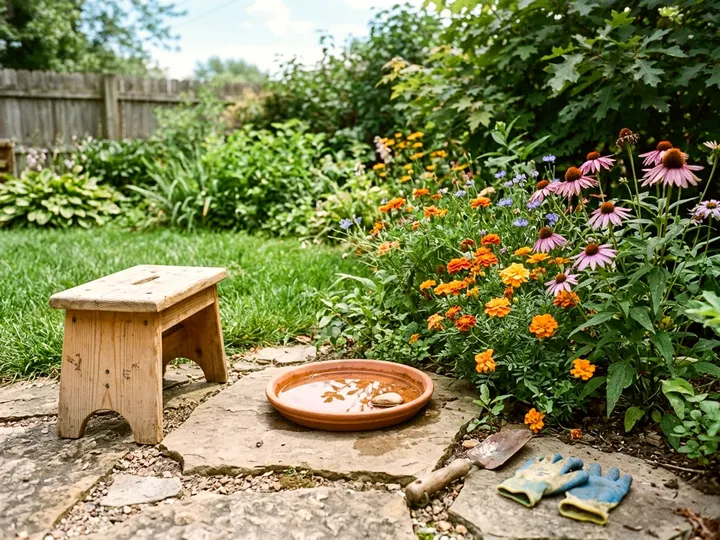
Plant bright blooms and set up a shallow water dish to bring butterflies right to your yard. A dedicated corner gives your children a reason to step outside and watch nature happen. You can start this weekend with basic garden tools and a clear patch of dirt.
Find a sunny corner shielded from the wind
Butterflies look for warmth and bright light. They need the sun to warm their wings before they can fly. Pick a corner of your yard that gets bright sunlight for most of the afternoon.
Keep the butterfly patch close to your back door or the patio. If the plants are too far away, your children might forget to check them. A spot right by the steps means your kids can watch for moving wings while you drink your coffee.
Strong breezes blow small butterflies around. Look for a spot near a wooden fence or a brick wall to block heavy gusts. Your kids can test the wind by holding a piece of ribbon up in the air. The wall gives the bugs a quiet place to land.
Clear away the grass and weeds to make a bare patch of dirt. Turn the soil over with a shovel so it is loose. Kids can help break up the dirt clods with a hand trowel. Give them a plastic bucket to collect any rocks they find.
Good soil helps the flowers grow strong roots. Mix in rich compost from the garden center. Show your kids how to spread the dark soil over the bed. Getting their hands muddy is half the fun of building a garden.
Mark the edges of your new garden bed with medium stones. Your kids can arrange the rocks in a line. A clear stone border tells running toddlers where the grass stops and the delicate plants begin.
Pick nectar flowers for summer snacks
Adult butterflies need sweet nectar to keep their energy up. You want plants to attract butterflies that bloom all summer long. Zinnias and purple coneflowers are sturdy choices that stand up to rough weather and curious preschoolers.
Kids love zinnias because they grow fast and look cheerful. You can buy small plants from the local nursery or push seeds straight into the dirt. Show your child how to poke a hole in the soil with one finger. Drop a seed in and pat the dirt back down.
Black-eyed Susans also draw crowds of hungry butterflies. These yellow blooms often come back year after year. Let your kids take charge of the watering can, aiming at the plant base instead of the petals. Wet petals may cause the flowers to rot.
Butterflies prefer large patches of color over single flowers scattered around the yard. Plant your nectar flowers in tight groups. A big block of purple or orange is easier for butterflies to spot.
Add tall phlox to the back of the garden bed. Phlox smells sweet and can bring in swallowtails. Put the shorter plants near the stone border so your kids can see them clearly. Layering the heights means every flower gets enough sunshine.
Deadheading the flowers keeps the blooms coming. When a flower turns brown and crispy, your kids can pinch the dead top off with their fingers. This tells the plant to make fresh flowers.
Add host plants to feed the caterpillars
Many butterflies lay their eggs on specific leaves. These are called host plants. The hatching caterpillars eat the leaves until they grow big enough to form a chrysalis.
Monarch butterflies rely on milkweed for their eggs. Check that milkweed is safe around kids and pets, then plant a native kind to support local monarchs passing through your yard. The caterpillars will chew big holes in the leaves. Tell your kids the holes mean the plan is working.
Swallowtail butterflies look for herbs like dill, fennel or curly parsley. You can mix these herbs right in with the tall flowers. Swallowtail caterpillars are thick green bugs with black and yellow stripes. They are very easy for a child to spot against a delicate green fennel stem.
Warn your kids not to touch the caterpillars. The little bugs are fragile. Show your children how to look with their eyes and keep their hands behind their backs. You can give them a plastic magnifying glass to see the stripes up close.
Caterpillars eat a lot. Your parsley might look like bare twigs after a short time. Do not rip the bare stems out of the ground. The herbs will grow back once the caterpillars wander off to build their cocoons.
Sometimes wasps or birds eat the caterpillars. This can upset a small child. Explain that the garden feeds many different animals. Focus their attention back on the adult butterflies fluttering overhead.
Build a drinking puddle and a landing stone
Butterflies do better with shallow water than a deep birdbath. They need very shallow water to rest and take a sip. You can build a safe drinking puddle using an inexpensive terracotta plant saucer.
Place the saucer on the ground near your brightest flowers. Fill the bottom with a layer of flat stones or clean pebbles. Pour in just enough water to wet the pebbles but leave the tops dry. The butterflies will land on the dry stones and drink from the edges.
Add a large flat rock to the center of your garden bed. Butterflies are cold-blooded and need a place to warm up. A dark rock absorbs heat from the afternoon sun. Kids will often spot a butterfly sitting flat on the rock with its wings spread wide open.
Keeping the puddle wet is a good chore for a small child. Give them a small pitcher to pour a little water over the pebbles every morning. Mud puddles also work well. Butterflies pull salt and minerals straight from wet mud.
Let your kids dig a small bowl in the dirt next to the puddle. Fill the bowl with water and let it soak into the ground. Butterflies will gather on the damp mud in a behavior called puddling. Kids love making mud and watching the bugs arrive.
Keep the water dishes clean. Dump the saucer out if the water gets cloudy or filled with dead leaves. Scrub the terracotta with a stiff brush and fresh water.
Make checking the plants a daily routine
Kids like having a job to do. Checking the butterfly patch gives them a reason to run outside before breakfast. You can build this habit into your morning schedule.
Ask your child to count the butterflies they see. Have them look for tiny white eggs under the milkweed leaves. They might find a striped caterpillar munching on the parsley.
Keep a cheap notebook and a box of crayons by the back door. Encourage your kids to draw what they find. They can scribble a yellow circle for a swallowtail or a green line for a caterpillar. Drawing can help them sit still and observe the small details.
Add a small resting bench or a couple of plastic chairs near the patch. Kids need a place to sit quietly to watch the insects land. Bring your morning coffee out there.
You can also make this patch a quiet spot for winding down. When everyone is getting cranky before dinner, take a walk outside. If you need more fast ideas for busy evenings, try some short evening family activities.
When a caterpillar vanishes, tell your kids to scan the nearby fences and brick walls. Caterpillars often leave the host plant to build a chrysalis. Finding a hidden chrysalis feels like a backyard treasure hunt.
Pull weeds by hand and skip the yard sprays
Chemical bug sprays can harm butterflies and caterpillars. If you want a yard full of wings, you have to stop spraying pesticides. This includes mosquito foggers and chemical weed killers.
Let a few weeds grow around the edges of your yard. Dandelions and clover are early food sources for many insects. When weeds invade your butterfly patch, pull them up by hand. Hand pulling is safer for the butterflies and keeps the dirt clean for your kids.
Show your kids how to grab a weed near the dirt and pull the roots out. Give them thick gardening gloves to protect their fingers. You will want to check the area for nasty vines first. Teach yourself how to spot poison ivy before you let them loose in the weeds.
Accept that some bugs will eat your plants. Aphids might cover the milkweed stems. Ladybugs may eventually arrive to eat the aphids. Waiting for nature to balance itself teaches your children patience.
If bugs overwhelm your flowers, blast them off with the garden hose. A strong spray of plain water knocks aphids to the ground. Kids love operating the hose nozzle. Just remind them to spray the sturdy stems and avoid the delicate blooms.
Make your yard a safe haven all season, since fall leaves can shelter some butterflies over winter. Skip the leaf blower when autumn arrives and rake the leaves into the garden beds instead. The dead leaves can help protect the soil and sleeping insects until spring.
More for your crew
What poison ivy looks like and how to keep kids away from it
7 quiet minutes to read

Kiddie pool rules that keep toddlers safe in the backyard
6 quiet minutes to read