- FSN Mag
- Together at Home
- How to run a family game night that works for every age
How to run a family game night that works for every age
Create fun family nights that work for everyone by choosing cooperative games, rotating who picks the activity and keeping the playing time short.
Written for you by Fenna Yoakum
6 quiet minutes to read
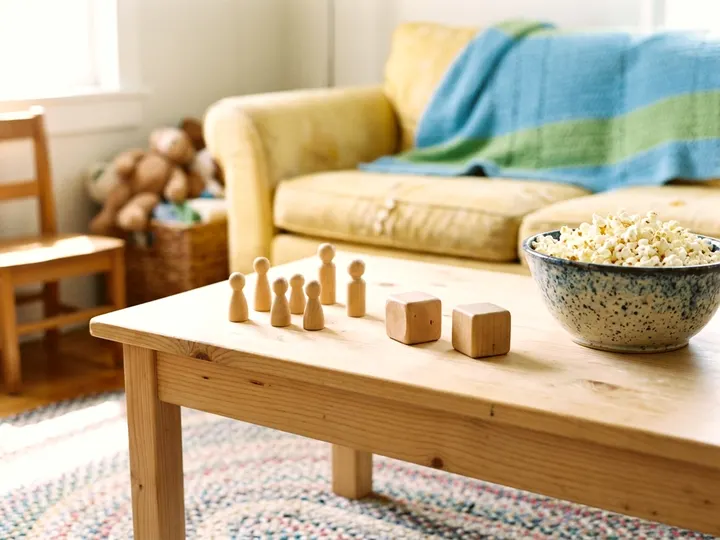
A regular game habit brings a preschooler and a teenager to the same table. You build fun family nights by picking games they can play together and keeping the rules simple. A reliable weekly schedule and a hard stop time make the habit stick.
Pick a regular night and keep it short
Put the date on the calendar and protect it. A Friday pizza dinner or a lazy Sunday afternoon works well. The exact day matters less than doing it the same day every week. Your kids learn to expect it and look forward to the routine.
Finding a gap in a busy week takes effort. You have to say no to other plans to keep this time open. Establishing a firm boundary around family time is one of those small habits that make you a better parent in the long run.
Cap the playing time at an hour. A four-year-old may lose focus after thirty minutes. Your thirteen-year-old likely has homework or friends they want to text. You want to stop playing while everyone is still having a good time.
Dragging a game out turns a good evening into a chore. If a board game takes too long, take a picture of the setup and finish it the next day. A quick game leaves everyone wanting more instead of feeling trapped at the table.
Choose games that let different ages play together
A teenager wants strategy. A preschooler just learned how to count spots on a die. You have to bridge that gap to keep them both at the table.
Look for cooperative board games. Players work together to beat the board instead of beating each other. Older kids can plan the strategy and talk the younger ones through their options. This can cut down on fights over who gets to win.
Pair up readers with non-readers. A thirteen-year-old can read the cards and handle the math while the four-year-old moves the tokens and spins the spinner. They share the same turn and make decisions as a team.
Avoid games that rely completely on luck. A teenager will get bored moving a piece around a track for an hour. Avoid heavy text games that leave the youngest sitting there watching. You want mechanics that give everyone something to do.
You can also step away from the table. Charades or a simple scavenger hunt levels the playing field. A young child is often better at acting out an animal than a self-conscious middle schooler. Getting up and moving burns off extra energy before bed.
Keep small game pieces away from children under 3
You might have a baby or toddler crawling around the living room rug while the older kids play. Board games are full of tiny parts. Little plastic houses, wooden cubes and colorful tokens look like candy to a baby.
Federal rules cover small parts in products made for young children. Children's products intended for children under 3 that present a choking hazard from small parts are banned, and a small part is any object that fits entirely into the small parts cylinder, which approximates the throat of a child under 3.
Many family board games are made for older kids and include these small pieces. Keep the game up high on the dining table rather than the floor. Count the pieces when you put the game away. A single dropped token can end up in a toddler's mouth the next morning.
Keep a safe distraction nearby. Give the baby a few large toys made for babies, and keep them in a high chair right next to the table where you can see them. They get to watch the action while you play. You can also let them play with the empty cardboard game box.
Give the youngest a real job
A preschooler needs a physical task to stay engaged. If they just watch their older sibling take a turn, they will wander off. Give them a title and a specific duty for the whole game.
Make them the banker. They can hand out the paper money or collect the cardboard coins. Even if they miscount, the older kids can gently help them fix it. Counting paper money is excellent practice for a young child.
Put them in charge of the dice. Buy a set of oversized foam dice and let the youngest roll for everyone at the table. It gives them a reason to pay attention to every single turn. Chasing a dropped die across the kitchen floor gives them a chance to move around.
They can also manage the snacks. A bowl of age-appropriate snacks keeps hands busy. Let the four-year-old pass the bowl around the table. Feeling useful keeps a little kid anchored to the activity.
Handle the loser who melts down
Losing is hard. Someone will eventually flip a board or storm out of the room. It might be the tired preschooler or the stressed teenager. You have to expect the tears and plan for them.
Model how to lose gracefully. When you lose a round, say out loud that you had fun anyway and congratulate the winner. Kids watch how you handle frustration. If you laugh off a bad roll, they learn to do the same.
Pause the game if tempers flare. Stepping into the kitchen for a glass of water provides a quick break to reset the mood. Read up on what to do when you are about to lose your temper so you stay calm. Do not yell or force a crying child to sit back down.
Change the rules if a game causes consistent fights. Give the youngest a head start or let the teenager skip a penalty. The official rulebook does not matter as much as a peaceful evening.
Let each person take a turn choosing
Nobody wants to play a game they hate. You get more cooperation when everyone gets a say. Rotate the choice every single week.
Write names on the calendar so there is no debate. When it is the teenager's week, they pick the game and the snacks. They might pick a complex card game that the rest of the family has to try their best to play. This validates their interests and keeps them coming back to the table.
When the four-year-old picks, they might choose a very simple matching game. The older kids have to sit down and play it without complaining. It also gives the youngest a rare chance to lead the family.
Parents get a turn too. Choose a game you loved growing up. Share your own childhood memories. Pick a fast-paced card game you can explain in two minutes.
You can help the night run smoothly by gathering a few things before anyone sits down:
- A large sheet pan to keep dice from rolling off the table
- Small bowls for organizing different game pieces
- Paper and pencils for keeping score
- A damp towel for wiping sticky hands before they touch the cards
Having these items ready prevents unnecessary interruptions. You can sit down and start playing right away.
Make cleanup part of the night
Do not let the kids scatter to their bedrooms while you pack up the box. Cleanup is a group effort.
Give everyone a specific cleanup task. The teenager can stack the cards while the younger child drops the tokens into a plastic bag. You check the floor for dropped pieces. Working together builds good habits.
Wipe down the table together. A damp cloth handles the sticky fingerprints and spilled juice. You want the room back to normal before bedtime.
Store the games in a closet or on a high shelf. Keep them organized so you can find them easily next week. A neat stack of boxes makes it easy for the next person to choose their favorite.
Take a moment to check for damaged parts. Tape up a torn box corner. Throw away broken plastic pieces. Taking good care of your games means they will last until your youngest is a teenager too.
More for your crew

Plan a week of family dinners and a grocery list in 30 minutes
7 quiet minutes to read
