- FSN Mag
- Together at Home
- Make family walks something the kids ask for
Make family walks something the kids ask for
Turn evening family walks into a routine your kids actually want with simple games, a fun destination and easy ways to prevent complaining.
Written for you by Fenna Yoakum
7 quiet minutes to read
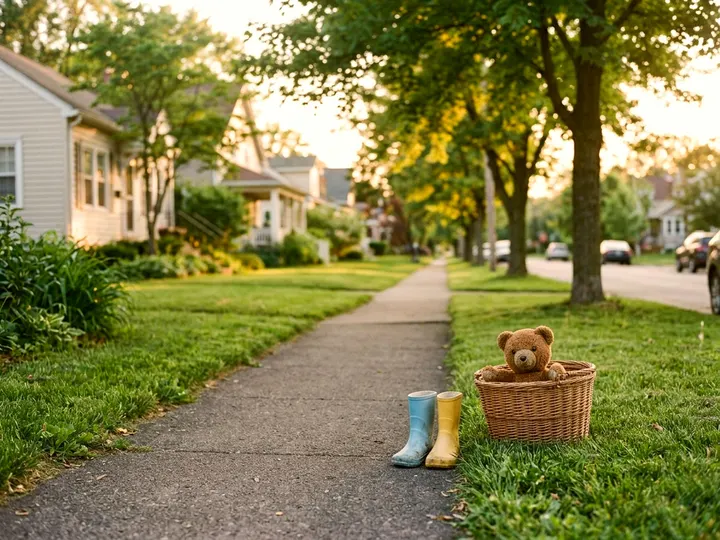
Turn daily family walks into a habit kids look forward to by giving them a destination, a job and a snack. The resistance usually eases when the walk feels like a play session instead of a chore. You only need a simple plan to get everyone out the door without a fight.
Pick a short loop that ends somewhere fun
Kids walk better when they know exactly where they are going and when the walking ends. An open stroll feels endless to a young child. They need a physical target to aim for.
Pick a route that takes you past a park, a busy corner or a specific landmark. A painted fire hydrant or a neighbor with a big dog works fine. A specific target gives them a reason to keep moving forward. The promise of seeing something interesting often softens the complaints.
Keep the total distance short for early elementary kids. A tired kid will drag their feet and make the return trip miserable. Short and successful builds a better habit than a long march.
A circular route works best for small legs. Walks that go out and back often trigger a meltdown right at the halfway point. A loop means every step forward is also a step toward home. The changing scenery keeps them distracted from the physical effort.
Choose destinations kids actually care about
Adults like to look at nice houses, but kids need something more active. Walk to the nearest bridge and drop sticks into the water below. Look for construction sites where they can watch a digger move dirt.
A community garden offers rows of bright flowers and interesting bugs. Even a blue US Postal Service mailbox becomes a destination if you hand a kid a letter to mail.
Give each kid a job on the walk
Assign a task before you step off the porch. A kid with a responsibility forgets to complain about tired legs. The job gives them a sense of control over the outing.
Make the oldest child the leader. Let them choose which way to turn at a specific intersection. Give them the power to pick the path and they will lead the way. You can correct the course later if they steer you too far away.
Rotate the jobs every time you go out so nobody gets bored. If one child picks the route today, the other child gets to pick tomorrow. This prevents arguments on the sidewalk.
Try handing out physical jobs that keep their hands busy. These tasks work well for kids under eight years old.
- Carry a small paper bag to collect pinecones, smooth stones and fallen leaves.
- Hold the leash if you have a family dog that walks nicely on the sidewalk.
- Take a small plastic watering can to sprinkle dry patches of grass near the sidewalk.
- Carry a pocket flashlight to shine on trees as the sun goes down.
A collector will run ahead to find the next bright leaf. You can dump the bag on the porch when you get home. It cuts down on the whining and builds a routine.
Play walking games that need no props
Keep the distraction simple so you do not carry extra gear. A spoken game keeps a child moving while they think. You want activities you can start the second a kid starts to drag behind.
Play a color search game using cars, doors and flowers you pass. Ask who can find a yellow car first. Stop at the corner and let the winner pick the next color. Everyone ends up looking up at the street.
Try the alphabet game on longer stretches of sidewalk. Look for street signs, license plates or yard signs that start with each letter from A to Z. A child will walk two extra blocks just to find a letter Q.
Count the animals you pass on the route. Keep a tally of dogs, cats, squirrels and birds. Guess the dog breeds or make up a story about where a cat sleeps at night.
If you struggle to find family time on a busy day, these spoken games make the walk count. They force you to talk to each other without screens in the way.
Try physical challenges to keep things interesting
Sometimes a kid needs to move faster than a walking pace. Give them short physical bursts to use up extra energy. Tell them to balance on the concrete curb like a tightrope walker.
Ask them to avoid stepping on the sidewalk cracks for an entire block. Time them to see how fast they can run to the next oak tree. These small challenges break up the monotony of a flat street.
Tell them to hop on one foot past three houses. Switch to walking backward when a car drives by.
Handle the child who will not move
Expect a protest and have a snack ready in your pocket. Hunger is a common reason a child sits down on the pavement.
A hungry kid will refuse to take another step.
Pull out a small box of raisins or a granola bar. Hand it over and tell them they can eat it while they walk. Do not stop to eat.
If a toddler simply refuses to walk, change the pace entirely. Challenge them to run to the next driveway or skip to the stop sign. Ask them to walk backward for a few steps. A silly instruction breaks the stubborn mood.
Children ages 6 to 17 need at least 60 minutes a day of moderate to vigorous physical activity, as of the CDC page updated December 4, 2025. A brisk neighborhood walk counts toward that goal. You just have to get them through the resistance first.
Sometimes a child really is too tired to continue. Pick them up for exactly one block and set them down at a defined landmark. Tell them in advance where the ride ends. A short break gives them the energy to finish the trip.
When you know what to do when a child digs their heels in, you keep the outing calm. A firm boundary about finishing the loop works better than an argument. Stay positive and keep walking at a slow pace. They will usually stand up and follow you.
Make the walk fit a school night and a Saturday
Plan different routes for different days of the week. A Tuesday evening requires a fast trip around the block before the sun sets. A weekend morning offers hours of open time.
A consistent schedule turns the walk into a natural part of the day. Kids thrive when they know exactly what comes next. If you always walk after dinner, they stop asking if they have to go.
On a school night, head out right after dinner. Leave the dishes in the sink and put your shoes on. The physical break stops the kids from crashing on the couch. It also gets everyone away from the kitchen table without an argument about chores.
Keep the weekday walk brief. The goal is a quick physical reset before bedtime routines start. A short walk uses up the last bit of restless energy.
Some kids wind down more easily after an evening walk.
Save the longer expeditions for Saturday morning. You have the daylight to wander further and explore a new neighborhood. Drive a few miles to a nearby town and park on a residential street. A change of scenery makes a long walk feel like an adventure.
A weekend walk can easily end at a bakery or a coffee shop. Buy a bagel or a cookie and take the long way back to the car. You can also plan a family outing around a Saturday morning hike in a state park.
Let the weather and the season change the route
Dress for the temperature and go outside anyway. A change in the weather makes a familiar sidewalk feel totally different to a kid. Walking in less than perfect conditions can feel like an adventure.
Put on rain boots and walk through the puddles after a heavy storm. Kids love permission to get wet and messy on purpose. Count the worms on the sidewalk or watch the water rush down the street gutters. The mess is worth the entertainment.
During the fall, aim for streets with large mature trees. Crunching dry leaves underfoot becomes its own game. See who can find the largest red leaf or the roundest acorn.
In the winter, walk early in the afternoon to catch the warmest part of the day. Point out the frost on the grass or the bare branches against the gray sky. Keep the trip short and promise hot chocolate when you get back inside.
Summer evenings offer the easiest walking conditions. Wait until after dinner when the concrete cools down. Take flashlights and look for lightning bugs as it gets dark.