- FSN Mag
- Everyday Parenting
- Which parenting style is best for your family
Which parenting style is best for your family
Find out what parenting style is the best for your family with this clear guide to the common approaches and how warm, clear rules work at home.
Written for you by Fenna Yoakum
8 quiet minutes to read
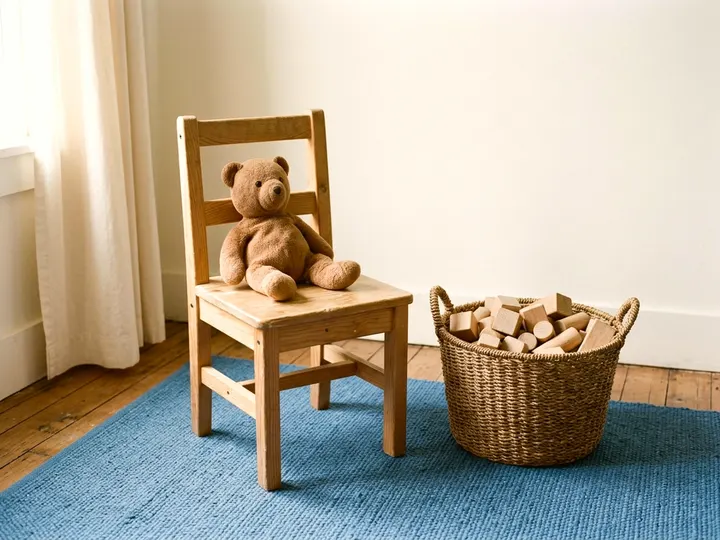
Pediatric guidance leans toward warm parenting with clear, consistent rules, often called the authoritative style. This method combines deep affection with firm, predictable boundaries. Kids know exactly what to expect. Parents guide them through big emotions while holding the line on household rules.
What people mean by parenting styles
Psychologists group parenting into four main categories based on how people balance rules and affection. These boxes describe how demanding you are and how you respond to a child's needs. The labels help professionals talk about child development. They also help parents understand their own default reactions.
Very few adults fit perfectly into one box all the time. A parent might hold firm on safety rules but let bedtime slide. You might start the day with patience and end it with a sharp voice.
A busy Tuesday often looks different from a slow Saturday morning. The goal is the overall pattern you build day after day. Knowing your natural reactions gives you a starting point for change.
You can talk to your partner about how you want to raise your kids. You can spot the moments when stress pushes you into a less helpful pattern.
Authoritative, warm with clear rules
Authoritative parents balance high expectations with high support. You set boundaries and enforce them. You also listen to your child and talk about their feelings.
A six-year-old who throws wooden blocks faces a firm consequence. They also get a hug and a conversation.
The American Academy of Pediatrics recommends teaching good behavior rather than punishing bad behavior, with clear and consistent rules explained in terms that fit a child's age. This builds the core of the authoritative style. You guide the child instead of just controlling them.
Many kids raised this way learn that their actions have results. They also feel secure knowing their parents love them no matter what.
You might say no to a second bowl of ice cream. You then explain your reason, such as that it is nearly bedtime. The rule stays firm, but the child understands the reason.
This approach takes time and energy. Explaining a rule takes longer than simply issuing an order. A parent must stay calm while a toddler tests the boundary.
You will repeat the same instructions many times. The payoff can come as children grow older and learn to make good choices on their own.
Setting limits that stick
Rules work best when they are simple and predictable. A rule about keeping toys picked up makes a home easier to live in. An authoritative parent clearly states the rule before a problem starts.
If a child leaves their train set on the living room rug, the parent reminds them of the rule. If the child refuses to clean up, the trains go into a closet for a day.
The consequence relates directly to the behavior. The tone remains steady. The parent does not yell or shame the child. They simply enforce the rule and move on.
Authoritarian, strict with little explaining
Authoritarian parents have high demands but offer low responsiveness. They expect children to follow strict rules without question. The most common answer to a child asking why is a simple demand for obedience. These parents focus heavily on order and control.
A child who draws on the kitchen wall with a crayon faces immediate punishment. The parent does not ask why the child did it or talk about big feelings. The goal is to stop the bad behavior right away. This style leans on punishment rather than guidance.
Some authoritarian parents use physical discipline. The American Academy of Pediatrics advises that parents should not spank or hit children.
Children raised with strict, unexplained rules may behave well at home. They know how to follow directions. The trouble can start when they leave the house.
Some may struggle to make their own decisions or act out when the strict parent is not watching.
Permissive, warm with few limits
Permissive parents offer high warmth but make low demands. They are very responsive to a child's needs and wants. They do not enforce many rules or expectations. These parents often view themselves as friends rather than authority figures.
A permissive home feels very relaxed. Kids might choose their own bedtimes or eat whatever they want from the pantry.
A parent might ask a four-year-old if they want to leave the playground. They avoid simply stating it is time to go. If the child says no, the parent often gives in.
This style avoids conflict in the short term. The parent hates seeing their child upset. Buying a toy at the store stops a tantrum right away.
Over time, this approach creates new problems. Children do better with clear limits, and without them they may feel unsure of what to do.
Kids raised with few rules may find self-control and waiting their turn at school harder. They might not know how to handle disappointment when a teacher or a friend says no. A warm home is wonderful, but kids also need adults to act like adults.
Uninvolved, and why stress often plays a part
Uninvolved parents have low demands and low responsiveness. They provide food and shelter but offer little emotional support. They do not set rules and they do not spend much time talking or playing with their kids.
This pattern rarely happens on purpose. An uninvolved style can stem from severe parent overwhelm. A single mother working two jobs might barely have energy to cook dinner.
A father dealing with a serious medical issue might not have the mental space to enforce bedtime routines. Financial stress or relationship problems can pull a parent's focus away from the children.
Sometimes a parent grew up with uninvolved parents themselves. They might not know how to engage with a child. They simply leave the kids alone as long as everyone is quiet. They might miss parent-teacher conferences or fail to notice a failing grade on a report card.
Children in these homes may feel overlooked and may have to take care of themselves early on.
If you notice yourself slipping into this pattern, it may mean you could use more support in your own life.
How to move toward warm and firm from where you are
Changing how you handle a busy home takes time. You do not have to fix everything on a Tuesday morning. Pick one small area to improve first.
If you want to build a better routine, start by looking at small daily habits. Small wins give you the energy to tackle bigger changes.
If you lean toward being too strict, practice explaining your rules. The next time you tell your ten-year-old to turn off the television, add a short reason.
You might say dinner is almost ready and you need them to set the table. You still enforce the rule, but you soften the delivery. Notice how your child responds to the extra respect.
If you lean toward being too permissive, pick one firm boundary to set this week. Bedtime is a good place to start. Decide on a specific time for lights out. Tell your kids about the new rule during the day, not right before bed.
Hold your ground when they push back. They will protest at first. Stay calm and stick to the plan.
If dinners are a constant fight, you might be letting your kids dictate the menu every night. Setting a firm boundary around food takes practice. Using meal prep for picky eaters helps you offer healthy choices without running a short-order kitchen. You provide the food, and the child decides how much to eat.
Building a firm, warm home requires you to manage your own stress. You cannot guide a child through a tantrum if you are shouting. Learning how to keep your temper helps keep the house peaceful.
Step into another room for a minute. Take a deep breath. A calm parent finds it easier to enforce rules gently.
Adjusting for different ages
Your approach must grow with your kids. A toddler needs simple rules about holding hands in the store parking lot. A teenager needs rules about driving and curfews. The warmth stays the same, but the boundaries shift.
Give older kids a voice in the rules. Sit down with your teenager and discuss a fair time to be home on a Saturday night. Listen to their reasoning.
If they make a good point, adjust the rule. This shows them you value their growing independence. If they break the agreed rule, the consequence follows immediately.
When to ask your pediatrician for advice
Your pediatrician can evaluate difficult behavior and help you build better routines at home. Sometimes a child's reactions feel too big to handle on your own. You might try warm, firm rules for months and still see no change. A child might hit, bite, or scream in a way that disrupts the whole house and leaves you feeling completely drained.
Doctors handle much more than just sore throats and vaccines. They are trained to track behavior and development. Bring up your concerns at the next well-child visit.
Write down specific examples before you go. Tell the doctor how often the behavior happens and what you have already tried.
A doctor can check whether a physical issue, such as trouble hearing or poor sleep, is affecting behavior. Finding the root cause changes how you handle the problem.
The pediatrician can also refer you to a child psychologist or a local parenting class. These professionals offer tools tailored to your specific family. Seeking help is a sign of strong parenting. It shows you are paying attention and want the best for your child.
More for your crew
What to do when you are about to lose your temper with your kids
9 quiet minutes to read